Iconic Models
Deconstructing Ultra-Thin Watch Architecture: Peripheral Rotors and Integrated Mainplates
An architectural review of ultra-thin watch engineering, analyzing peripheral rotor geometry, integrated mainplate baseplates, and micro-thin mainspring barrels.
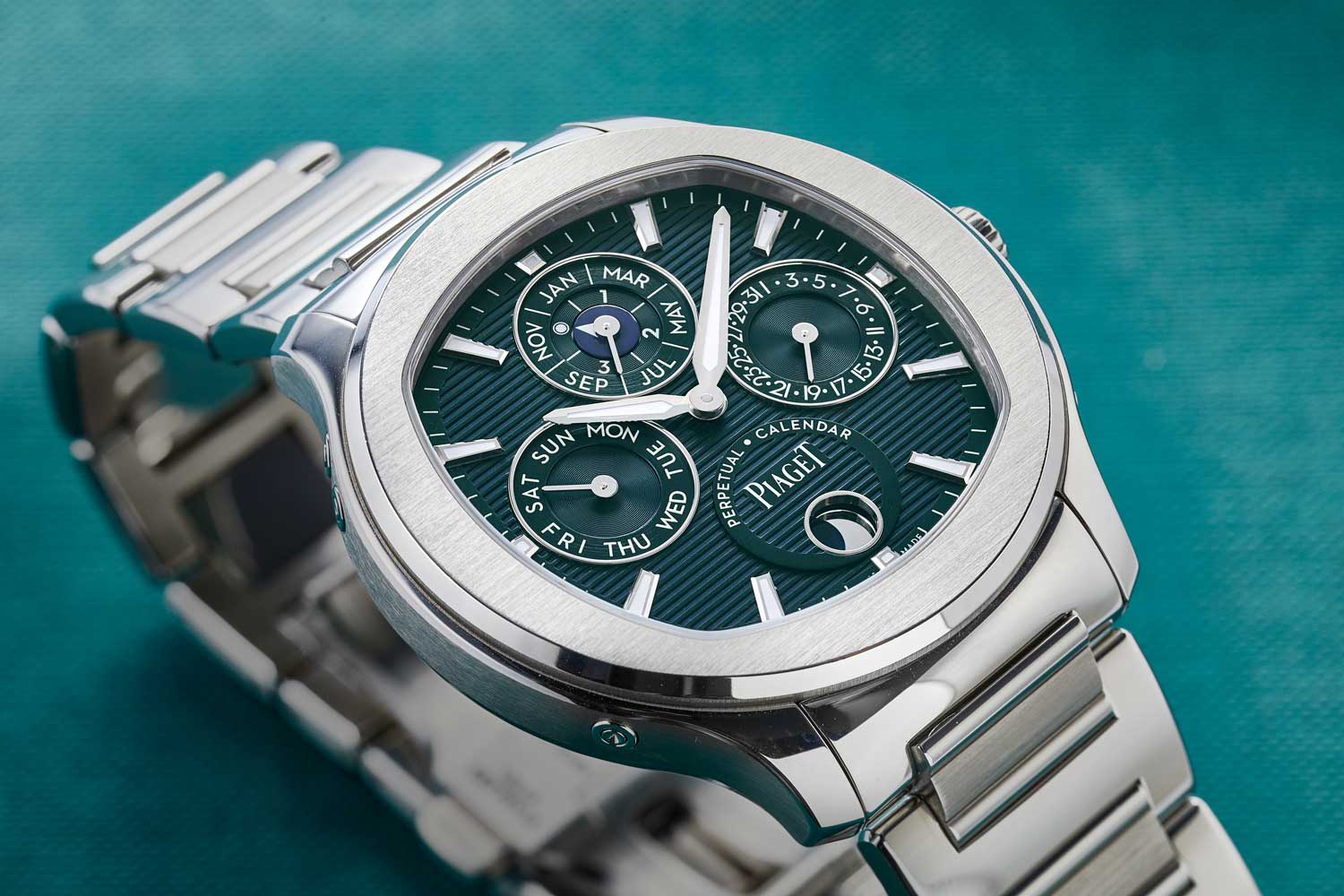
Designing an ultra-thin timepiece is one of the most demanding technical challenges in horology. While creating a large, robust movement leaves ample clearance for stacked gear trains and rigid bridges, ultra-thin movements require re-engineering every millimeter of vertical space. In this architectural review, we analyze the micro-engineering breakthroughs that enable record-breaking ultra-thin watches.
1. Eliminating Vertical Movement Layers
Traditional automatic movements feature stacked vertical layers: baseplate, gear train, bridges, and a central winding rotor suspended on top.
- Peripheral Rotors: Ultra-thin watchmakers eliminate the central rotor's height by mounting a circular tungsten or platinum oscillating weight that swings along the outer periphery of the movement on ball bearings, maintaining winding efficiency without adding vertical thickness.
- Micro-Rotors: Alternative designs integrate a small heavy-metal rotor directly into the plane of the movement bridges rather than stacking it on top.
2. Mainplate-Case Synthesis and Flexible Components
In cutting-edge ultra-thin timepieces, watchmakers merge the movement baseplate with the external watch caseback, using a single solid metal component to serve both structural roles.
- Bending Tolerances: Because components sit so close together, tolerances are measured in single microns. Hairsprings, hands, and sapphire crystals are engineered to withstand micro-flexing without touching under daily wrist movements.
Why Design Restraint Creates Icons
The references that endure share a counterintuitive trait: they change remarkably little. Where fashion watches chase trends and reinvent themselves each season, iconic models preserve their core proportions, dial furniture and silhouette across decades, evolving only through subtle refinement. This restraint builds a cumulative visual authority that no amount of novelty can replicate — a shape becomes instantly recognisable precisely because it has been allowed to remain itself. When you evaluate whether a modern release has icon potential, look for the confidence to leave a proven design largely untouched rather than the anxiety to constantly reinvent it.
Collecting References Rather Than Names
Sophisticated collectors think in references, not merely brands. Within any celebrated model line, specific production years, dial variants and case configurations carry vastly different desirability and value. A subtle difference in dial printing, a transitional caseback or a short-lived bezel variation can separate an ordinary example from a grail. Developing this granular literacy — knowing which specific configuration to seek and why — is what elevates a casual admirer into a serious collector, and it is the single most reliable protection against overpaying for the wrong version of the right watch.
Practical Field Checklist
Before acting on any single specification, seasoned collectors run a disciplined verification pass. First, corroborate the claim against at least two independent primary sources — a manufacturer technical sheet and a respected archival reference — rather than relying on a single retail description. Second, translate the abstract specification into a real-world consequence: ask precisely how a given rating, tolerance or material property changes the way the watch behaves on the wrist across a decade of daily wear. Third, weigh the cost of being wrong. A misjudgement on a purely cosmetic detail is recoverable; a misjudgement on structural integrity, water resistance or movement authenticity can be expensive and, in the case of vintage pieces, irreversible. Building this three-step habit converts passive reading into active expertise, and it is a discipline that pays compounding dividends across an entire collecting lifetime.
Common Misconceptions Worth Correcting
Enthusiast forums perpetuate a surprising number of half-truths, and part of becoming a discerning owner is learning to question inherited wisdom. Marketing language routinely inflates the significance of features that have negligible impact on daily performance, while quietly omitting the genuine engineering trade-offs behind them. A higher number is not automatically better; a heritage name does not guarantee superior execution; and a premium price frequently reflects scarcity, brand positioning or hand-finishing hours rather than measurable functional advantage. The most valuable skill a collector can develop is the ability to separate the objectively measurable from the subjectively marketed — to appreciate craftsmanship for what it genuinely is, without mistaking narrative for physics. When a claim seems too clean or too flattering, it usually conceals a nuance that the disciplined collector takes the time to uncover.
Why This Knowledge Compounds Over Time
Isolated facts are fragile, but a connected mental model is durable. Each principle explored here interlocks with the others: material science informs servicing intervals, movement architecture shapes total cost of ownership, and historical context explains why certain designs command enduring premiums. The collectors who develop true expertise are not those who memorise the most specifications, but those who understand how the pieces relate — how a decision made at the metallurgy stage echoes through decades of maintenance, resale and daily enjoyment. Treat every article, every watch examined and every conversation with a knowledgeable dealer as another node in an expanding web of understanding, and your judgement will sharpen far faster than rote memorisation could ever achieve.
Putting Theory Into Practice
Knowledge only becomes expertise when it is exercised. The next time you handle a watch — whether at an authorized dealer, a collector meet-up or a private viewing — deliberately apply the concepts covered above rather than absorbing the sales narrative passively. Ask the specific technical questions, request to see the movement, examine the finishing under good light, and notice which claims the seller can substantiate and which dissolve under scrutiny. This active, hands-on practice transforms abstract reading into instinctive competence, and it is precisely the process by which casual admirers gradually become the trusted, discerning collectors whose opinions genuinely carry weight within the horological community.
Continue exploring the archive

Iconic Models
Iconic Watch Models That Defined Generations: History, Design, and Cultural Impact
A retrospective look at legendary watch models that transcended utility to become cultural icons, analyzing the design genesis of the Submariner, Royal Oak, and Speedmaster.

Iconic Models
Anatomy of a Legendary Chronograph: Design Codes and Functional Evolution
An architectural breakdown of iconic chronograph models, examining column-wheel mechanisms, vertical clutches, tachymeter scales, and functional dial symmetry.

Iconic Models
Deconstructing GMT Watches: Dual-Time Zones, Flyer GMTs, and Traveler Mechanisms
A technical comparative guide to dual-time and GMT watches, contrasting caller GMT movements with true flyer movements and rotating bezel utility.