Care & Restoration
Optimal Long-Term Storage Protocols: Humidity Control, Winder Mechanics, and Leather Care
An essential preservation guide covering relative humidity control, mainspring tension on watch winders, and preventing leather strap degradation.
Whether managing a small personal collection or safeguarding high-value horological assets in safe deposit boxes, improper storage conditions can cause severe mechanical and cosmetic degradation over time. From dried synthetic lubricants and oxidized movement plates to cracked alligator straps, environmental factors play a major role in long-term watch health. This essential preservation guide details optimal storage protocols.
1. Relative Humidity and Moisture Management
The primary enemy during long-term storage is ambient atmospheric moisture.
- Ideal Relative Humidity (RH): Maintain storage environments at 40% to 50% relative humidity using active climate control or desiccant silica gel packets inside sealed storage containers.
- Preventing Flash Rust: Excessively dry air can cause delicate leather straps and wooden presentation boxes to warp or crack, whereas excess humidity induces flash rust on un-oiled steel components and causes dial discoloration.
2. The Watch Winder Controversy: Wear vs. Lubrication Health
- Turns Per Day (TPD) Calibration: Keeping automatic watches on winders maintains power reserves and keeps calendar complications synchronized. However, running a watch continuously on cheap winders without rests accelerates mechanical gear wear.
- Programmable Intervals: Use high-quality winders offering programmable bidirectional rotation cycles and resting phases to prevent unnecessary mainspring clutch friction while maintaining optimal oil distribution.
A Realistic Home Maintenance Routine
Most owners over-service in some respects and dangerously neglect others. A sustainable routine focuses on the fundamentals: wipe the case and bracelet with a soft microfiber cloth after wear to remove skin oils and salts; keep the watch away from strong magnetic sources such as laptop speakers, phone cases and induction cooktops; and store it in a stable, dry environment rather than a humid bathroom or a hot car. Resist the temptation to open the caseback out of curiosity — every unnecessary opening compromises the water-resistance seals. These simple habits prevent the majority of avoidable damage between professional services.
Choosing a Watchmaker You Can Trust
The quality of service is only as good as the hands performing it, and the gulf between a competent watchmaker and a careless one is enormous. Seek a professional who can articulate their process, uses proper ultrasonic cleaning and calibrated testing equipment, and returns the watch with documented timing results across multiple positions. For vintage pieces, insist on a preservationist philosophy — original components retained wherever possible, no unnecessary polishing, and no redialing. A trustworthy watchmaker will happily explain what they intend to do before touching the piece, and will decline work that would compromise long-term value.
Practical Field Checklist
Before acting on any single specification, seasoned collectors run a disciplined verification pass. First, corroborate the claim against at least two independent primary sources — a manufacturer technical sheet and a respected archival reference — rather than relying on a single retail description. Second, translate the abstract specification into a real-world consequence: ask precisely how a given rating, tolerance or material property changes the way the watch behaves on the wrist across a decade of daily wear. Third, weigh the cost of being wrong. A misjudgement on a purely cosmetic detail is recoverable; a misjudgement on structural integrity, water resistance or movement authenticity can be expensive and, in the case of vintage pieces, irreversible. Building this three-step habit converts passive reading into active expertise, and it is a discipline that pays compounding dividends across an entire collecting lifetime.
Common Misconceptions Worth Correcting
Enthusiast forums perpetuate a surprising number of half-truths, and part of becoming a discerning owner is learning to question inherited wisdom. Marketing language routinely inflates the significance of features that have negligible impact on daily performance, while quietly omitting the genuine engineering trade-offs behind them. A higher number is not automatically better; a heritage name does not guarantee superior execution; and a premium price frequently reflects scarcity, brand positioning or hand-finishing hours rather than measurable functional advantage. The most valuable skill a collector can develop is the ability to separate the objectively measurable from the subjectively marketed — to appreciate craftsmanship for what it genuinely is, without mistaking narrative for physics. When a claim seems too clean or too flattering, it usually conceals a nuance that the disciplined collector takes the time to uncover.
Why This Knowledge Compounds Over Time
Isolated facts are fragile, but a connected mental model is durable. Each principle explored here interlocks with the others: material science informs servicing intervals, movement architecture shapes total cost of ownership, and historical context explains why certain designs command enduring premiums. The collectors who develop true expertise are not those who memorise the most specifications, but those who understand how the pieces relate — how a decision made at the metallurgy stage echoes through decades of maintenance, resale and daily enjoyment. Treat every article, every watch examined and every conversation with a knowledgeable dealer as another node in an expanding web of understanding, and your judgement will sharpen far faster than rote memorisation could ever achieve.
Putting Theory Into Practice
Knowledge only becomes expertise when it is exercised. The next time you handle a watch — whether at an authorized dealer, a collector meet-up or a private viewing — deliberately apply the concepts covered above rather than absorbing the sales narrative passively. Ask the specific technical questions, request to see the movement, examine the finishing under good light, and notice which claims the seller can substantiate and which dissolve under scrutiny. This active, hands-on practice transforms abstract reading into instinctive competence, and it is precisely the process by which casual admirers gradually become the trusted, discerning collectors whose opinions genuinely carry weight within the horological community.
Continue exploring the archive
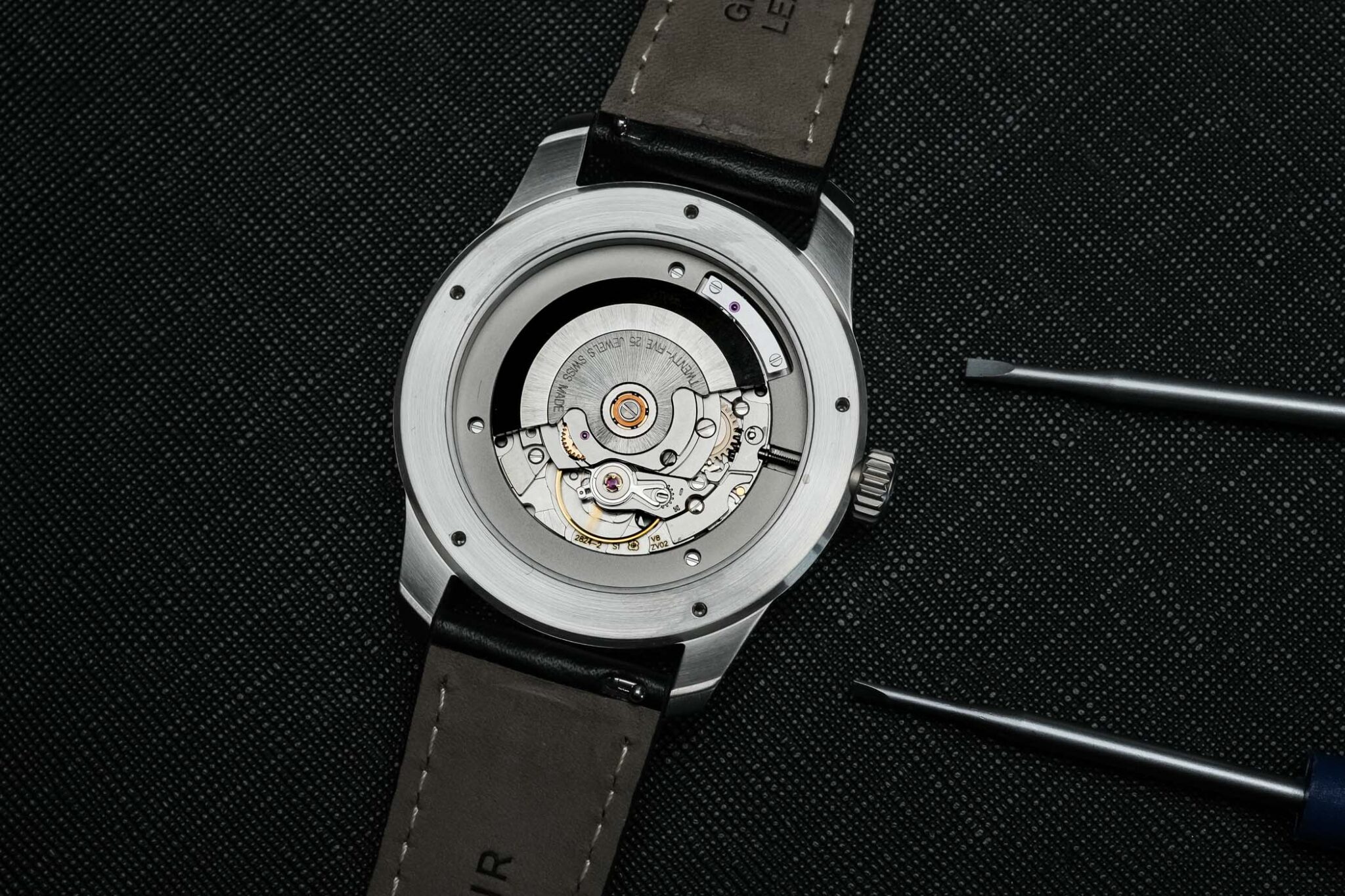
Care & Restoration
Comprehensive Ultrasonic and Manual Maintenance Protocols for Mechanical Timepieces
A professional masterclass in watch care, detailing proper manual cleaning routines, water-resistance seal replacement, demagnetization procedures, and optimal mechanical service intervals.
Care & Restoration
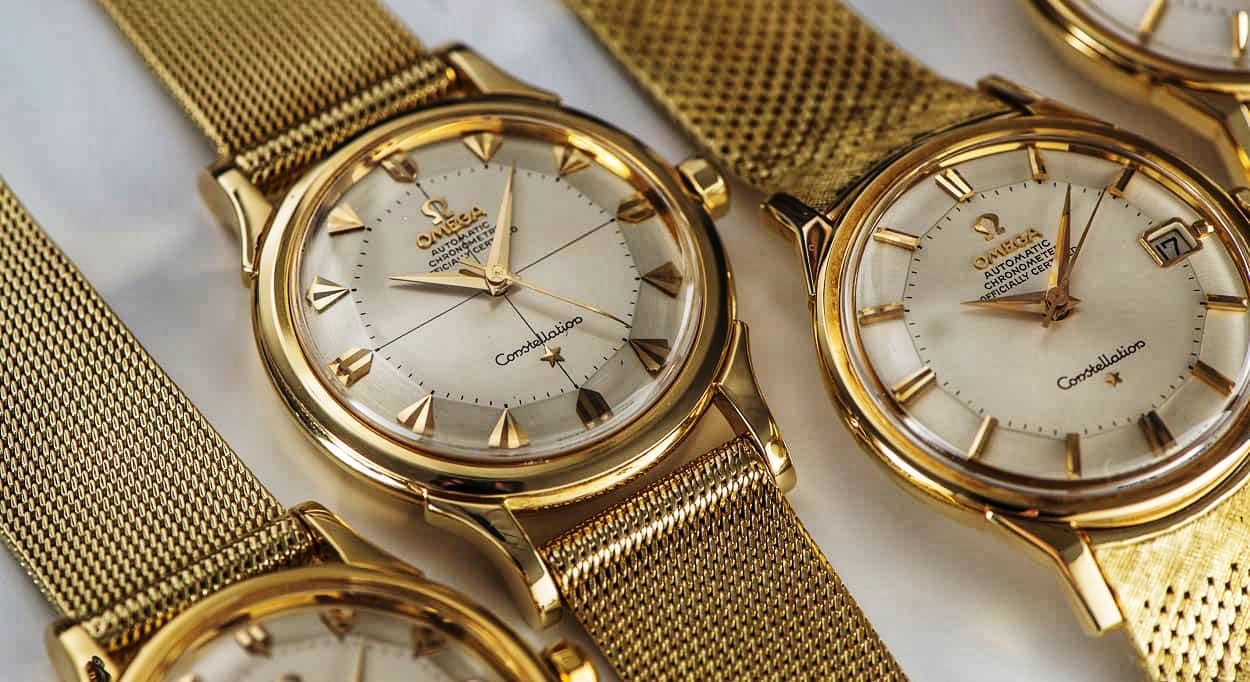
Comprehensive Restoration Protocols for Vintage Timepieces: Preserving Patina vs. Polishing
An expert guide to vintage watch restoration, balancing structural movement rebuilding with the delicate ethics of preserving original dial patina and razor-sharp case geometry.

Care & Restoration
Demagnetizing and Timing Calibration at Home: Practical Diagnostics for Enthusiasts
An actionable guide for watch enthusiasts on detecting magnetization, using electrical demagnetizers safely, and performing minor rate adjustments.