Buying & Investment
Strategic Investment Frameworks for Luxury Watches: Asset Classes, Inflation Hedges, and Risks
An analytical guide to viewing luxury watches as alternative financial assets, evaluating macroeconomic influences, brand tier depreciation curves, and market liquidity risks.
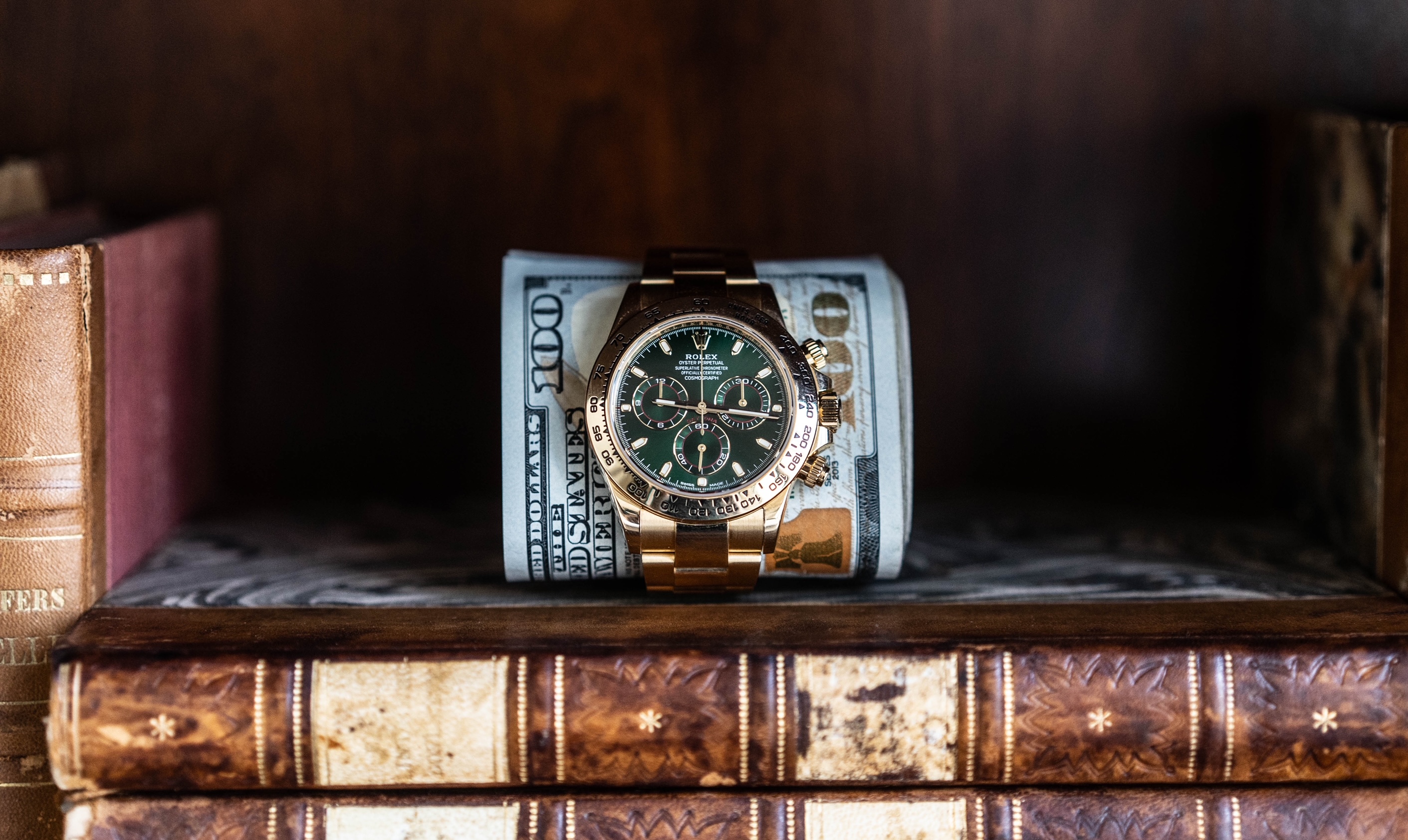
Over the past decade, luxury watches have increasingly transitioned from personal lifestyle accessories into recognized alternative asset classes. While certain iconic stainless-steel sports models have delivered returns rivaling traditional equities, treating watches purely as financial investments carries unique risks and market dynamics. This framework explores how to approach watch acquisitions from an analytical economic perspective.
1. Differentiating Utility Consumption from Speculative Assets
Buyers must establish clear financial objectives before purchasing a luxury timepiece:
- Emotional Consumption: Buying precious metal dress watches or independent masterworks for personal wear enjoyment, accepting standard luxury depreciation as a cost of ownership.
- Asset Allocation: Targeting scarce, highly liquid stainless-steel sports references or rare vintage holy grails with documented historical appreciation trends.
2. Macroeconomic Drivers and Secondary Market Volatility
Luxury watch values do not exist in a vacuum; they correlate heavily with global macroeconomic factors:
- Interest Rates and Liquidity: Low-interest-rate environments historically inject speculative capital into alternative assets, driving secondary market prices well above retail MSRP.
- Supply Constraints: Authorized dealer waiting lists manufacture artificial scarcity, creating robust grey-market premiums that savvy buyers must evaluate against long-term cyclical corrections.
3. Mitigating Risks: Liquidity, Maintenance, and Authenticity
To protect capital in the watch market, investors must prioritize strict asset criteria:
- Box and Papers Mandate: Never purchase an investment-grade watch without complete original documentation and verified provenance.
- Service Cost Accounting: Factor in mandatory 5-year overhaul costs, as a neglected movement requiring major component replacements will severely eat into potential resale yields. Balancing passion with financial rigor ensures a sustainable, rewarding collecting journey.
Building a Documented Provenance Trail
The single most valuable asset a collector can accumulate — beyond the watches themselves — is documentation. Retain every service invoice, original receipt, warranty card, and any correspondence with authorized dealers or the manufacturer's heritage department. Photograph the movement, caseback engravings and hallmarks under good lighting at the moment of acquisition. This paper and digital trail does more than reassure a future buyer; it materially increases liquidity and can add a double-digit percentage to resale value. In a market where authenticity anxiety suppresses prices, a fully documented provenance trail is the closest thing to an insurance policy against future doubt.
Timing the Market Without Speculating
Attempting to trade luxury watches like equities is a well-documented path to disappointment, but understanding market rhythm still protects capital. Prices in the secondary market breathe with macroeconomic liquidity, seasonal demand and hype cycles around specific references. A disciplined buyer avoids purchasing at the peak of a frenzy, treats waiting-list scarcity as a marketing construct rather than intrinsic value, and never overextends on a single reference in the hope of quick appreciation. Buy pieces you genuinely want to wear, negotiate on documented condition rather than sentiment, and treat any future appreciation as a bonus rather than the thesis of the purchase.
Practical Field Checklist
Before acting on any single specification, seasoned collectors run a disciplined verification pass. First, corroborate the claim against at least two independent primary sources — a manufacturer technical sheet and a respected archival reference — rather than relying on a single retail description. Second, translate the abstract specification into a real-world consequence: ask precisely how a given rating, tolerance or material property changes the way the watch behaves on the wrist across a decade of daily wear. Third, weigh the cost of being wrong. A misjudgement on a purely cosmetic detail is recoverable; a misjudgement on structural integrity, water resistance or movement authenticity can be expensive and, in the case of vintage pieces, irreversible. Building this three-step habit converts passive reading into active expertise, and it is a discipline that pays compounding dividends across an entire collecting lifetime.
Common Misconceptions Worth Correcting
Enthusiast forums perpetuate a surprising number of half-truths, and part of becoming a discerning owner is learning to question inherited wisdom. Marketing language routinely inflates the significance of features that have negligible impact on daily performance, while quietly omitting the genuine engineering trade-offs behind them. A higher number is not automatically better; a heritage name does not guarantee superior execution; and a premium price frequently reflects scarcity, brand positioning or hand-finishing hours rather than measurable functional advantage. The most valuable skill a collector can develop is the ability to separate the objectively measurable from the subjectively marketed — to appreciate craftsmanship for what it genuinely is, without mistaking narrative for physics. When a claim seems too clean or too flattering, it usually conceals a nuance that the disciplined collector takes the time to uncover.
Why This Knowledge Compounds Over Time
Isolated facts are fragile, but a connected mental model is durable. Each principle explored here interlocks with the others: material science informs servicing intervals, movement architecture shapes total cost of ownership, and historical context explains why certain designs command enduring premiums. The collectors who develop true expertise are not those who memorise the most specifications, but those who understand how the pieces relate — how a decision made at the metallurgy stage echoes through decades of maintenance, resale and daily enjoyment. Treat every article, every watch examined and every conversation with a knowledgeable dealer as another node in an expanding web of understanding, and your judgement will sharpen far faster than rote memorisation could ever achieve.
Putting Theory Into Practice
Knowledge only becomes expertise when it is exercised. The next time you handle a watch — whether at an authorized dealer, a collector meet-up or a private viewing — deliberately apply the concepts covered above rather than absorbing the sales narrative passively. Ask the specific technical questions, request to see the movement, examine the finishing under good light, and notice which claims the seller can substantiate and which dissolve under scrutiny. This active, hands-on practice transforms abstract reading into instinctive competence, and it is precisely the process by which casual admirers gradually become the trusted, discerning collectors whose opinions genuinely carry weight within the horological community.
Continue exploring the archive

Buying & Investment
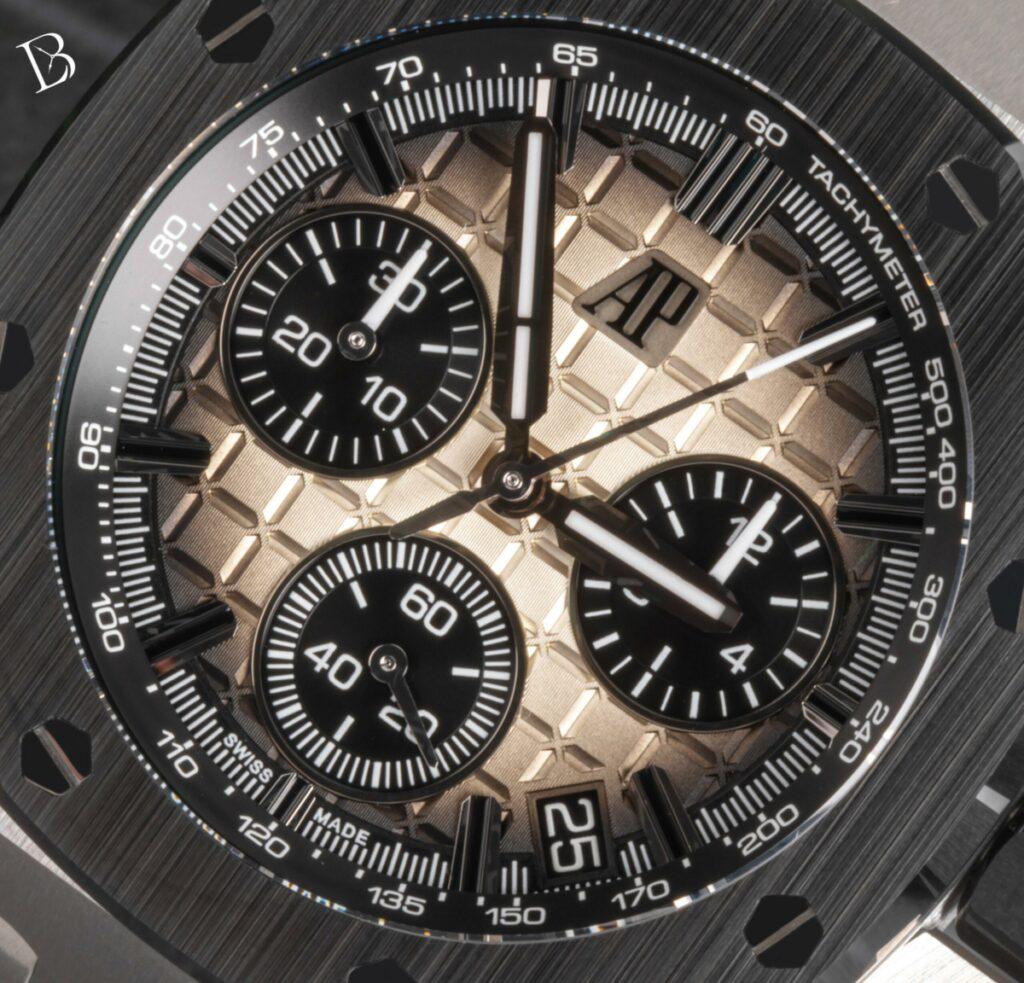
Navigating the Secondary Watch Market: Authentication, Liquidity, and Valuation Indices
An expert strategic guide for collectors navigating the pre-owned luxury watch market, covering counterfeit detection, liquidity indexing, box-and-papers premium valuation, and cyclical market trends.
Buying & Investment
Navigating Grey Market Dealers: Warranties, Legal Imports, and Financial Trade-Offs
A comprehensive buyer's analysis of grey market luxury watch dealers, examining manufacturer warranty voids, deep price discounts, and authentication risks.
Buying & Investment
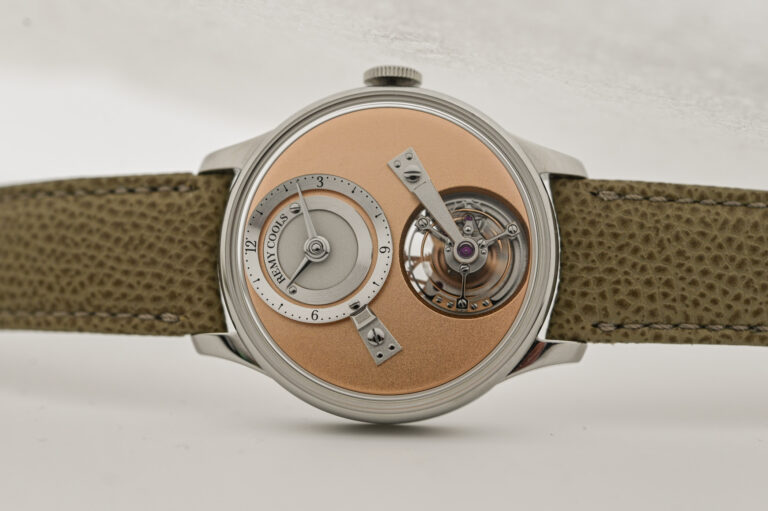
Understanding Independent Watchmaking Valuations: Rarity, Atelier Scale, and Secondary Liquidity
An economic assessment of independent horology, evaluating low-volume manufacturing economics, patron waiting lists, and secondary market pricing dynamics.