Manufactures & Brands
The Rise of Micro-Brands: Crowdfunding, Direct-to-Consumer Disruption, and Design Freedom
An industry assessment of independent micro-brands, exploring how digital platforms, crowd-funded development, and direct-to-consumer models are reshaping horology.
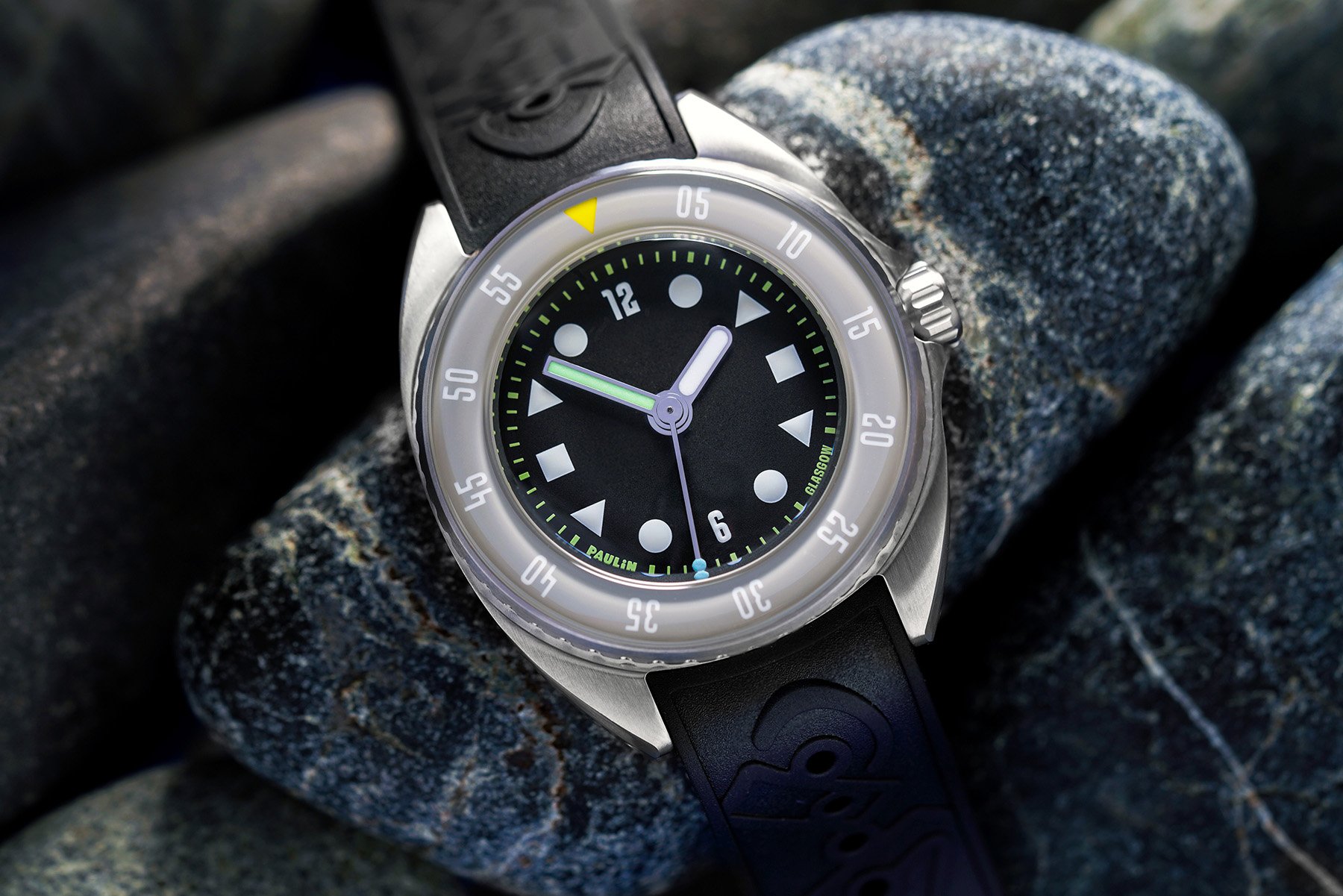
For decades, the global watch market was strictly controlled by historic Swiss conglomerates and massive industrial groups. However, the 21st century has witnessed an unprecedented democratization of watchmaking driven by independent micro-brands. Utilizing global digital manufacturing networks, crowdfunding platforms, and direct-to-consumer (D2C) ecommerce, these agile startups offer compelling alternatives to traditional luxury offerings.
1. Disrupting Traditional Retail Margins
Traditional luxury watch pricing involves massive retail markups to support multi-tier distribution networks, celebrity endorsements, boutique real estate, and extensive wholesale margins.
- The Direct-to-Consumer Model: Micro-brands bypass traditional middlemen entirely, selling directly to enthusiasts via online platforms. This enables them to offer sapphire crystals, solid 316L or titanium cases, and reliable automatic movements at a fraction of legacy retail prices.
2. Crowdfunding as a Market Validation Engine
Platforms like Kickstarter and Indiegogo transformed watch conception, turning passive consumers into active project co-financers.
- Risk Mitigation: Founders can test bold design concepts, unusual colorways, and niche complications before committing to expensive mass production runs, ensuring real market demand before assembly begins.
3. Unshackled Creative Freedom
Free from centuries of rigid heritage expectations, micro-brands experiment wildly with minimalist architecture, vintage military field aesthetics, bronze case patination, and luminescent dial artistry. While they may lack historical pedigree, micro-brands inject fresh design energy and accessible entry points into the broader collecting community.
Reading a Brand Beyond Its Marketing
Every manufacture cultivates a carefully managed image, and the discerning collector learns to look past it to the substance underneath. Genuine markers of quality — depth of in-house capability, consistency of finishing across price tiers, transparency about component sourcing, and the willingness to service pieces decades after sale — reveal far more than advertising ever will. Some celebrated names coast on heritage while quietly cutting corners; some lesser-known ateliers deliver finishing that shames their more famous rivals. Judging a brand on demonstrable execution rather than reputation is one of the most valuable disciplines a collector can cultivate.
The Economics of Exclusivity
Scarcity is the engine of the luxury watch market, and understanding how it is manufactured protects you from paying for illusion. Limited production, allocation systems and waiting lists generate demand that is partly real and partly engineered. A truly small independent atelier faces genuine capacity constraints, whereas a large house can create artificial scarcity as a positioning tool. Learning to distinguish structural scarcity from strategic scarcity helps you understand what a premium actually buys — and whether that premium reflects craftsmanship, rarity or simply skilful demand management.
Practical Field Checklist
Before acting on any single specification, seasoned collectors run a disciplined verification pass. First, corroborate the claim against at least two independent primary sources — a manufacturer technical sheet and a respected archival reference — rather than relying on a single retail description. Second, translate the abstract specification into a real-world consequence: ask precisely how a given rating, tolerance or material property changes the way the watch behaves on the wrist across a decade of daily wear. Third, weigh the cost of being wrong. A misjudgement on a purely cosmetic detail is recoverable; a misjudgement on structural integrity, water resistance or movement authenticity can be expensive and, in the case of vintage pieces, irreversible. Building this three-step habit converts passive reading into active expertise, and it is a discipline that pays compounding dividends across an entire collecting lifetime.
Common Misconceptions Worth Correcting
Enthusiast forums perpetuate a surprising number of half-truths, and part of becoming a discerning owner is learning to question inherited wisdom. Marketing language routinely inflates the significance of features that have negligible impact on daily performance, while quietly omitting the genuine engineering trade-offs behind them. A higher number is not automatically better; a heritage name does not guarantee superior execution; and a premium price frequently reflects scarcity, brand positioning or hand-finishing hours rather than measurable functional advantage. The most valuable skill a collector can develop is the ability to separate the objectively measurable from the subjectively marketed — to appreciate craftsmanship for what it genuinely is, without mistaking narrative for physics. When a claim seems too clean or too flattering, it usually conceals a nuance that the disciplined collector takes the time to uncover.
Why This Knowledge Compounds Over Time
Isolated facts are fragile, but a connected mental model is durable. Each principle explored here interlocks with the others: material science informs servicing intervals, movement architecture shapes total cost of ownership, and historical context explains why certain designs command enduring premiums. The collectors who develop true expertise are not those who memorise the most specifications, but those who understand how the pieces relate — how a decision made at the metallurgy stage echoes through decades of maintenance, resale and daily enjoyment. Treat every article, every watch examined and every conversation with a knowledgeable dealer as another node in an expanding web of understanding, and your judgement will sharpen far faster than rote memorisation could ever achieve.
Putting Theory Into Practice
Knowledge only becomes expertise when it is exercised. The next time you handle a watch — whether at an authorized dealer, a collector meet-up or a private viewing — deliberately apply the concepts covered above rather than absorbing the sales narrative passively. Ask the specific technical questions, request to see the movement, examine the finishing under good light, and notice which claims the seller can substantiate and which dissolve under scrutiny. This active, hands-on practice transforms abstract reading into instinctive competence, and it is precisely the process by which casual admirers gradually become the trusted, discerning collectors whose opinions genuinely carry weight within the horological community.
Continue exploring the archive

Manufactures & Brands
Evaluating Independent Watch Brands: Artisanal Masterpieces vs. Industrial Heritage Giants
An in-depth market and technical assessment of independent watchmakers, exploring hand-finished anglage, low-volume production dynamics, and their surging status among elite collectors.

Manufactures & Brands
The Legacy and Engineering Philosophy of Historic Watch Manufactures
A deep dive into the heritage, founding principles, and vertical integration strategies of Switzerland's most historic watchmaking houses.

Manufactures & Brands
Deconstructing Haute Horlogerie Finishing Techniques: Anglage, Black Polishing, and Geneva Stripes
A masterclass in elite movement decoration, exploring hand-bevelled internal angles, black mirror polishing, and Côtes de Genève brushing artistry.