Materials & Science
Demystifying Modern Watch Crystal Materials: Sapphire vs. Box-Form Hesalite and Advanced Ceramic Composites
An exhaustive analysis of contemporary horological crystal engineering, examining the scratch resistance, optical refraction, impact dynamics, and thermal stability of synthetic sapphire, double-domed hesalite, and newly developed transparent ceramic matrices.
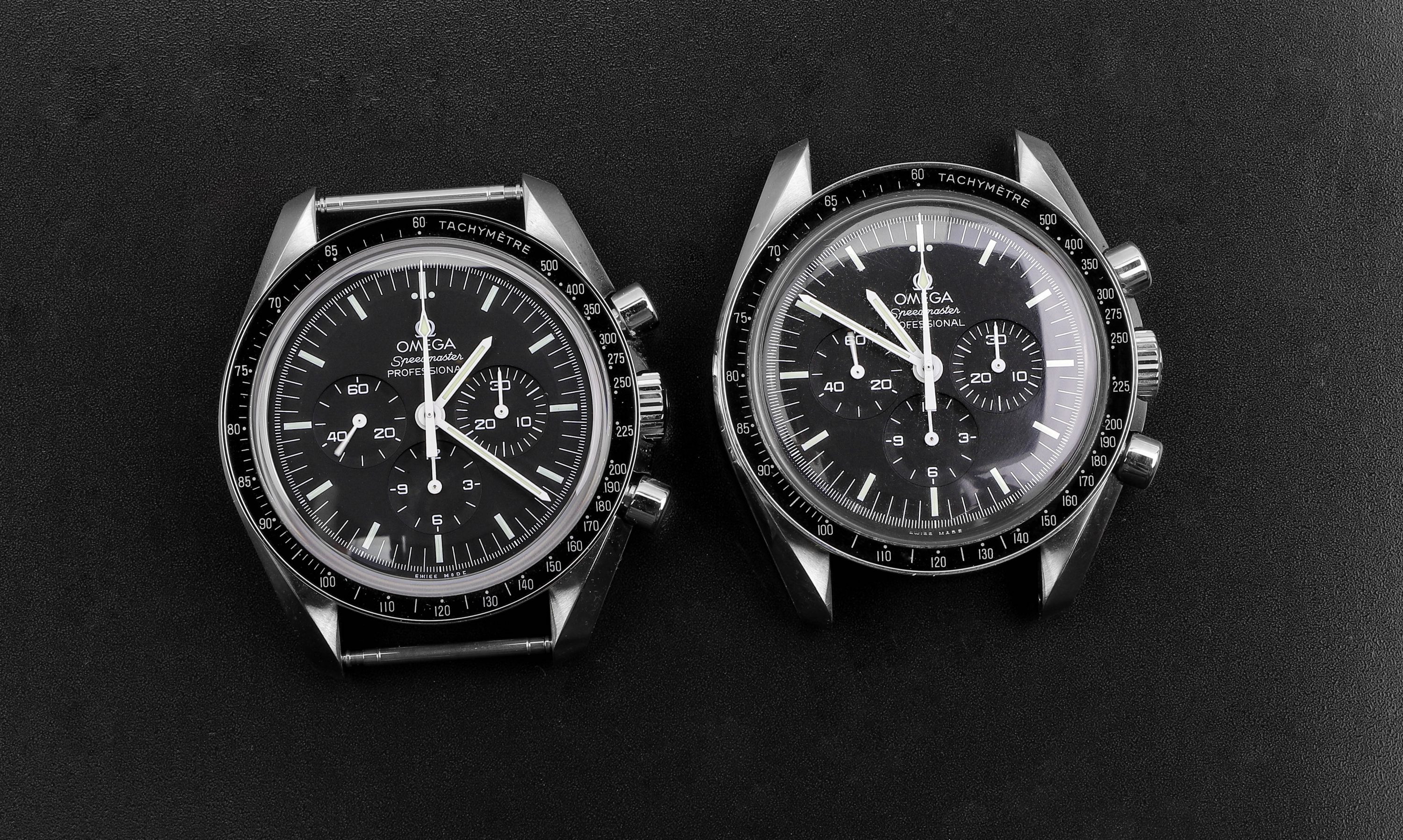
The watch crystal—the transparent protective shield guarding the dial, hands, and delicate gear train—is far more than a simple window; it is a critical structural barrier subjected to severe optical, thermal, and mechanical stresses. In contemporary horology, the choice of crystal material fundamentally dictates both the aesthetic character and the durability rating of a timepiece. To appreciate modern watchmaking fully, one must look beyond traditional marketing terms and examine the precise physics governing synthetic sapphire, organic polymers, and cutting-edge transparent ceramics.
1. Synthetic Sapphire (Corundum): The Gold Standard of Scratch Resistance
Synthesized via the Verneuil flame-fusion process or the more advanced Kyropoulos method, watch-grade sapphire is chemically aluminum oxide (Al2O3). It boasts a rating of 9 on the Mohs hardness scale, sitting just behind diamond at 10.
- Scratch Resistance Dynamics: Because of its extreme surface hardness, sapphire can only be scratched by materials with an equal or higher hardness rating—namely diamond, boron nitride, and silicon carbide. Daily encounters with quartz sand, steel doorframes, and stone surfaces leave sapphire completely unscathed.
- Optical and Reflection Challenges: Pure sapphire possesses a high refractive index, which causes unwanted internal light reflections, resulting in glare under direct sunlight. To counteract this, high-end manufacturers apply multi-layer anti-reflective (AR) coatings to both the interior and exterior surfaces of the crystal. While exterior AR coatings eliminate glare brilliantly, they themselves are susceptible to surface scuffs over decades of heavy wear.
2. Hesalite, Acrylic, and Polycarbonate: Vintage Heritage and Impact Resilience
Despite the dominance of sapphire, organic polymers such as polymethyl methacrylate (commonly known as hesalite, acrylic, or plexiglass) maintain an essential role in specific high-performance and vintage-inspired timepieces, most notably space-flown chronographs.
- Impact Dynamics vs. Brittleness: Unlike brittle sapphire, which can shatter under a sharp, localized point impact, hesalite is viscoelastic. It deforms slightly and absorbs shock energy rather than fracturing. In high-vibration aerospace environments, shattering is catastrophic because loose glass shards can enter zero-gravity cabin air; therefore, polymers remain preferred for specific operational mandates.
- Restorability: Acrylic crystals scratch easily due to a lower surface hardness, but these scratches are entirely superficial. Using mild abrasive compounds like Polywatch, a watchmaker or owner can buff out imperfections effortlessly, restoring optical clarity in minutes.
3. Advanced Transparent Ceramics and Armored Sapphire Composites
As avant-garde watchmakers push structural boundaries into extreme water resistance and shock-proofing, material scientists have introduced revolutionary transparent matrices.
- Polycrystalline Alumina and Spinel: Magnesium aluminate spinel and advanced polycrystalline aluminum oxynitride (AlON) offer directional crystal growth benefits, reducing production costs while maintaining high fracture toughness and transparency across ultraviolet, visible, and infrared light spectra.
- Laminated and Curved Geometries: Modern manufacturing utilizes five-axis CNC diamond tooling to carve complex box-form and multi-faceted sapphire profiles that mimic vintage acrylic aesthetics while retaining modern scratch-proof integrity. Understanding these material properties allows collectors to evaluate a timepiece not just by its brand heritage, but by the true engineering pedigree of its protective architecture.
Thermal Behaviour and Dimensional Stability
Beyond raw hardness, the way a material responds to temperature swings determines long-term reliability. Every case metal, crystal and gasket expands and contracts as the watch moves between a heated interior, a cold winter wrist and the warmth of body heat. Materials with mismatched coefficients of thermal expansion can, over thousands of cycles, loosen press-fit crystals or stress adhesive gasket seats. This is why manufacturers pair sapphire crystals with carefully engineered tension rings and why premium ceramics are prized not only for scratch resistance but for their dimensional indifference to heat. When you evaluate a material claim, always ask how the component behaves not in a showroom but across the full temperature range a watch actually experiences.
Surface Treatments and Perceived Quality
The finish applied to a material often matters as much as the substrate itself. Physical vapour deposition (PVD) and diamond-like carbon (DLC) coatings can dramatically increase surface hardness on steel and titanium, but their real-world durability depends on adhesion quality and layer thickness — a poorly bonded coating chips at the lugs within a year, while a properly deposited one survives decades. Anti-reflective coatings, brushed satin grains, mirror polishing and micro-blasting all change how light interacts with the watch, and a trained eye reads these surfaces as a signature of the manufacturer's finishing discipline. Understanding the difference between a decorative treatment and a functional one lets you judge whether a premium is justified.
Practical Field Checklist
Before acting on any single specification, seasoned collectors run a disciplined verification pass. First, corroborate the claim against at least two independent primary sources — a manufacturer technical sheet and a respected archival reference — rather than relying on a single retail description. Second, translate the abstract specification into a real-world consequence: ask precisely how a given rating, tolerance or material property changes the way the watch behaves on the wrist across a decade of daily wear. Third, weigh the cost of being wrong. A misjudgement on a purely cosmetic detail is recoverable; a misjudgement on structural integrity, water resistance or movement authenticity can be expensive and, in the case of vintage pieces, irreversible. Building this three-step habit converts passive reading into active expertise, and it is a discipline that pays compounding dividends across an entire collecting lifetime.
Common Misconceptions Worth Correcting
Enthusiast forums perpetuate a surprising number of half-truths, and part of becoming a discerning owner is learning to question inherited wisdom. Marketing language routinely inflates the significance of features that have negligible impact on daily performance, while quietly omitting the genuine engineering trade-offs behind them. A higher number is not automatically better; a heritage name does not guarantee superior execution; and a premium price frequently reflects scarcity, brand positioning or hand-finishing hours rather than measurable functional advantage. The most valuable skill a collector can develop is the ability to separate the objectively measurable from the subjectively marketed — to appreciate craftsmanship for what it genuinely is, without mistaking narrative for physics. When a claim seems too clean or too flattering, it usually conceals a nuance that the disciplined collector takes the time to uncover.
Why This Knowledge Compounds Over Time
Isolated facts are fragile, but a connected mental model is durable. Each principle explored here interlocks with the others: material science informs servicing intervals, movement architecture shapes total cost of ownership, and historical context explains why certain designs command enduring premiums. The collectors who develop true expertise are not those who memorise the most specifications, but those who understand how the pieces relate — how a decision made at the metallurgy stage echoes through decades of maintenance, resale and daily enjoyment. Treat every article, every watch examined and every conversation with a knowledgeable dealer as another node in an expanding web of understanding, and your judgement will sharpen far faster than rote memorisation could ever achieve.
Putting Theory Into Practice
Knowledge only becomes expertise when it is exercised. The next time you handle a watch — whether at an authorized dealer, a collector meet-up or a private viewing — deliberately apply the concepts covered above rather than absorbing the sales narrative passively. Ask the specific technical questions, request to see the movement, examine the finishing under good light, and notice which claims the seller can substantiate and which dissolve under scrutiny. This active, hands-on practice transforms abstract reading into instinctive competence, and it is precisely the process by which casual admirers gradually become the trusted, discerning collectors whose opinions genuinely carry weight within the horological community.
Continue exploring the archive
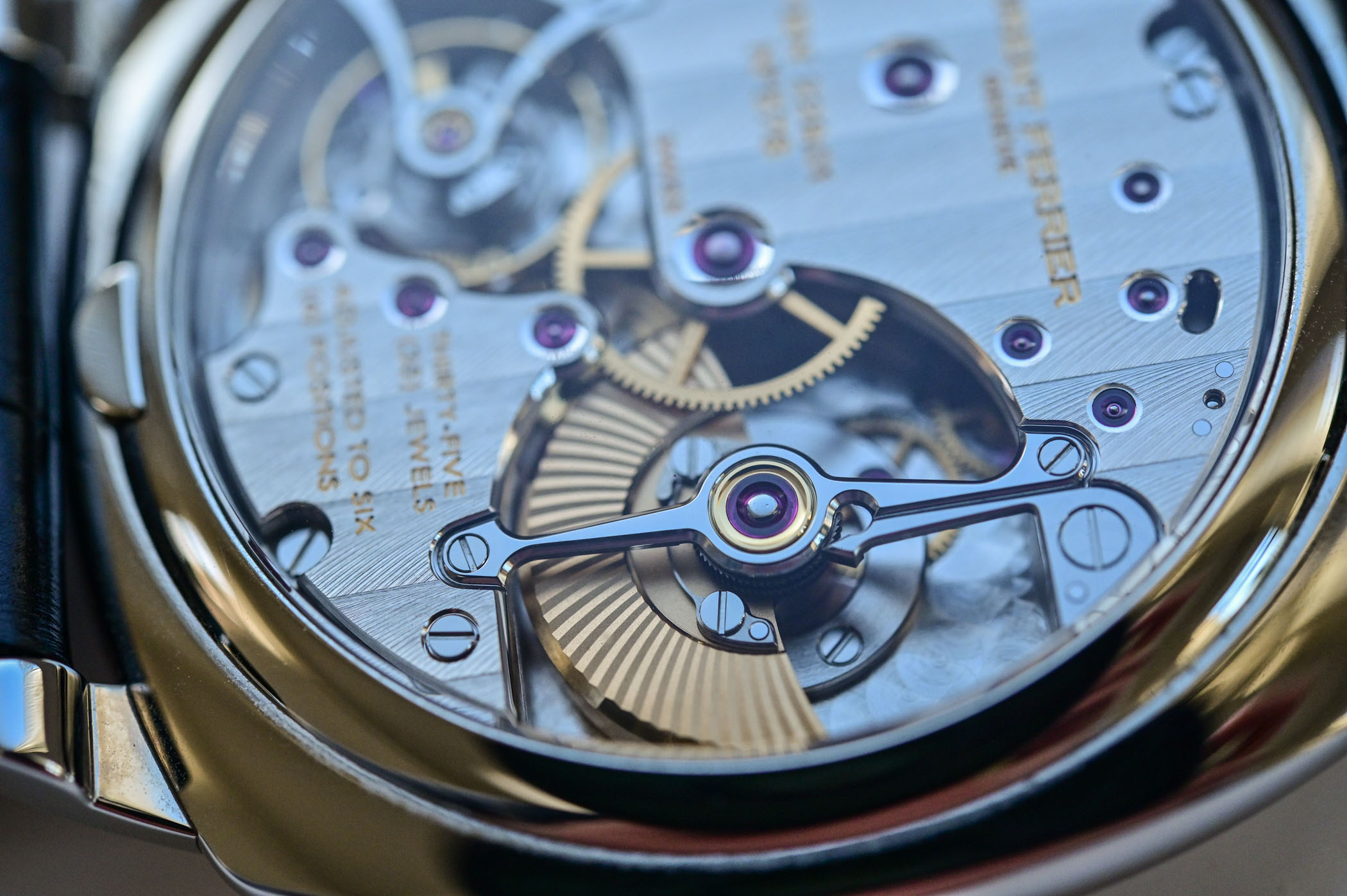
Movements & Calibers
The Evolution of Micro-Rotor and Peripheral Automatic Movements in Ultra-Thin Horology
A technical examination of automatic winding mechanisms, comparing traditional central rotors with high-efficiency micro-rotors and peripheral oscillating weights in ultra-thin mechanical watches.

Buying & Investment
Navigating the Secondary Watch Market: Authentication, Liquidity, and Valuation Indices
An expert strategic guide for collectors navigating the pre-owned luxury watch market, covering counterfeit detection, liquidity indexing, box-and-papers premium valuation, and cyclical market trends.
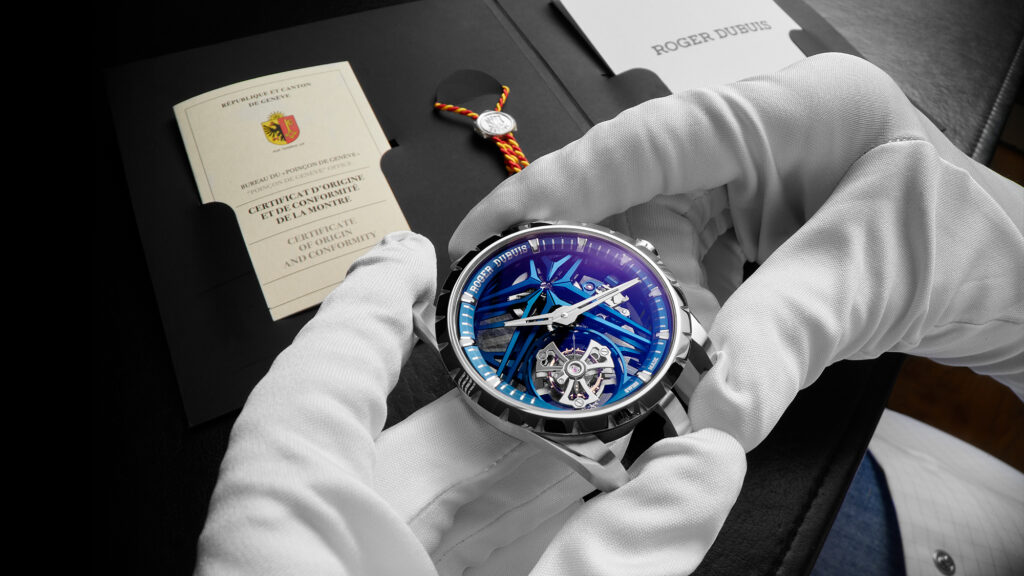
History & Heritage
The Chronology of Horological Innovation: From Verge Escapements to Co-Axial Mastery
A comprehensive historical survey of mechanical watchmaking milestones, detailing the transition from crude 14th-century weight-driven towers to portable pocket watches and modern anti-magnetic wristwatches.