Buying & Investment
Evaluating Pre-Owned Authenticity: Spotting Super-Clones, Laser Etching, and Counterfeit Movements
An analytical guide to modern watch authentication, examining cloned movement finishing shortcuts, dial font discrepancies, and laser-etched crystal crowns.
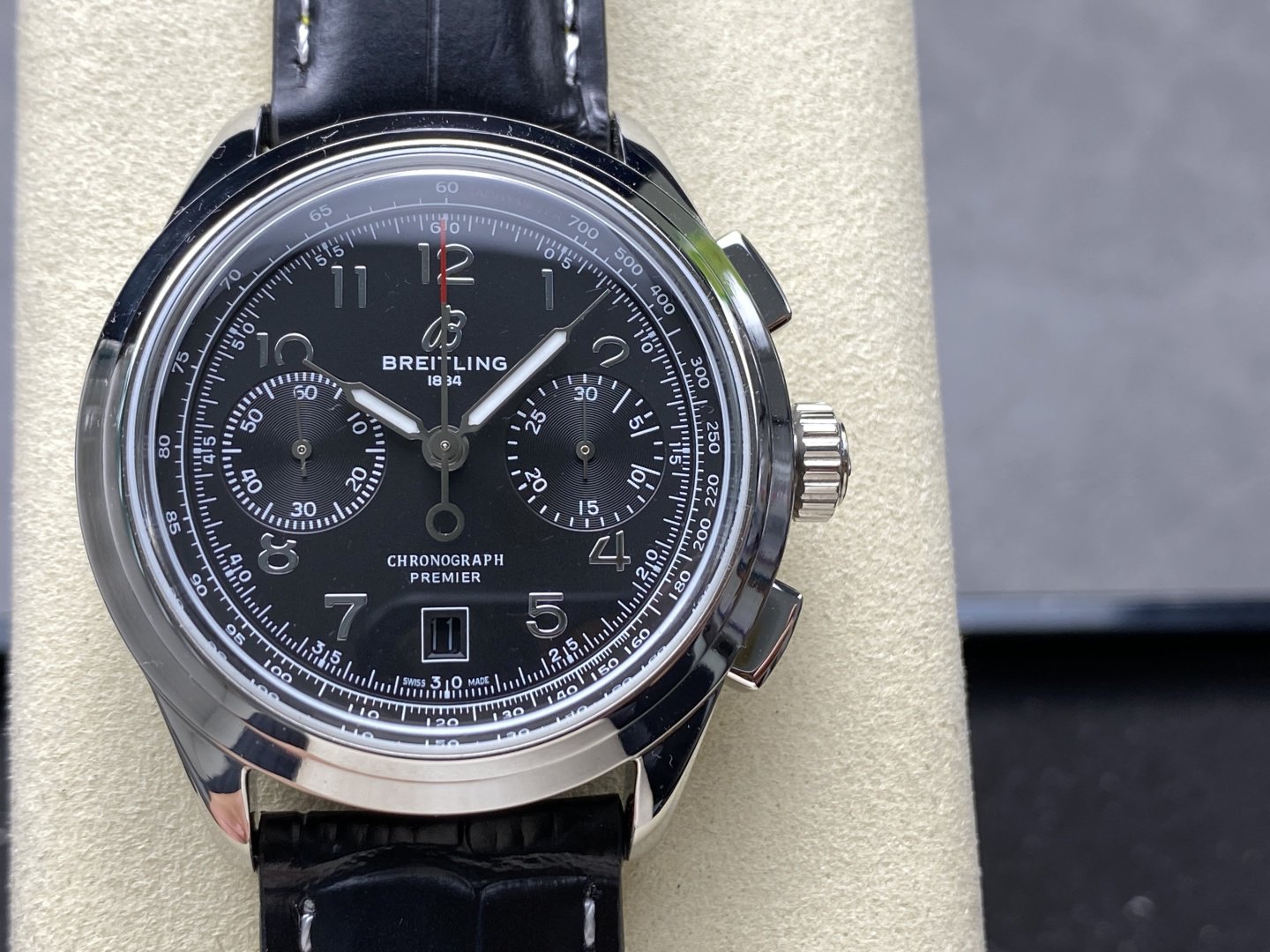
The global pre-owned luxury watch market has achieved unprecedented scale, but it faces a growing threat from sophisticated illicit manufacturing networks producing high-grade replica timepieces commonly known as 'super-clones.' These counterfeit watches feature cloned case dimensions, accurate weight distribution, and even replicated movement bridges designed to deceive amateur buyers. This analytical guide equips collectors with professional authentication strategies.
1. Movement Finishing and Micro-Mechanics
While exterior case machining and bracelet brushing on top-tier replicas can look remarkably convincing, internal movement inspection remains the ultimate truth detector.
- Laser Engraving vs. Traditional Bevelling: Counterfeit movements often utilize industrial laser cutters to simulate Côtes de Genève stripes or anglage bevels, leaving flat, uniform matte grooves without the shimmering light refraction characteristic of hand-polished steel.
- Balance Bridge Stability: Examining the balance cock bridge, shock absorber spring geometry, and regulator arm under magnification reveals crude casting flaws and incorrect screw placements unique to cloned calibers.
2. Dial Typography and Laser-Etched Details
- Printing Depth: Genuine luxury dials utilize pad printing processes that deposit raised, three-dimensional ink layers on the dial surface, whereas counterfeit dials often display flat, pixelated ink transfers.
- Crystal Crown Etchings: Microscopic laser-etched emblems on sapphire crystals are rendered with razor-sharp precision on authentic pieces, whereas replicas often feature poorly etched dots visible to the naked eye, serving as an immediate red flag for discerning buyers.
Building a Documented Provenance Trail
The single most valuable asset a collector can accumulate — beyond the watches themselves — is documentation. Retain every service invoice, original receipt, warranty card, and any correspondence with authorized dealers or the manufacturer's heritage department. Photograph the movement, caseback engravings and hallmarks under good lighting at the moment of acquisition. This paper and digital trail does more than reassure a future buyer; it materially increases liquidity and can add a double-digit percentage to resale value. In a market where authenticity anxiety suppresses prices, a fully documented provenance trail is the closest thing to an insurance policy against future doubt.
Timing the Market Without Speculating
Attempting to trade luxury watches like equities is a well-documented path to disappointment, but understanding market rhythm still protects capital. Prices in the secondary market breathe with macroeconomic liquidity, seasonal demand and hype cycles around specific references. A disciplined buyer avoids purchasing at the peak of a frenzy, treats waiting-list scarcity as a marketing construct rather than intrinsic value, and never overextends on a single reference in the hope of quick appreciation. Buy pieces you genuinely want to wear, negotiate on documented condition rather than sentiment, and treat any future appreciation as a bonus rather than the thesis of the purchase.
Practical Field Checklist
Before acting on any single specification, seasoned collectors run a disciplined verification pass. First, corroborate the claim against at least two independent primary sources — a manufacturer technical sheet and a respected archival reference — rather than relying on a single retail description. Second, translate the abstract specification into a real-world consequence: ask precisely how a given rating, tolerance or material property changes the way the watch behaves on the wrist across a decade of daily wear. Third, weigh the cost of being wrong. A misjudgement on a purely cosmetic detail is recoverable; a misjudgement on structural integrity, water resistance or movement authenticity can be expensive and, in the case of vintage pieces, irreversible. Building this three-step habit converts passive reading into active expertise, and it is a discipline that pays compounding dividends across an entire collecting lifetime.
Common Misconceptions Worth Correcting
Enthusiast forums perpetuate a surprising number of half-truths, and part of becoming a discerning owner is learning to question inherited wisdom. Marketing language routinely inflates the significance of features that have negligible impact on daily performance, while quietly omitting the genuine engineering trade-offs behind them. A higher number is not automatically better; a heritage name does not guarantee superior execution; and a premium price frequently reflects scarcity, brand positioning or hand-finishing hours rather than measurable functional advantage. The most valuable skill a collector can develop is the ability to separate the objectively measurable from the subjectively marketed — to appreciate craftsmanship for what it genuinely is, without mistaking narrative for physics. When a claim seems too clean or too flattering, it usually conceals a nuance that the disciplined collector takes the time to uncover.
Why This Knowledge Compounds Over Time
Isolated facts are fragile, but a connected mental model is durable. Each principle explored here interlocks with the others: material science informs servicing intervals, movement architecture shapes total cost of ownership, and historical context explains why certain designs command enduring premiums. The collectors who develop true expertise are not those who memorise the most specifications, but those who understand how the pieces relate — how a decision made at the metallurgy stage echoes through decades of maintenance, resale and daily enjoyment. Treat every article, every watch examined and every conversation with a knowledgeable dealer as another node in an expanding web of understanding, and your judgement will sharpen far faster than rote memorisation could ever achieve.
Putting Theory Into Practice
Knowledge only becomes expertise when it is exercised. The next time you handle a watch — whether at an authorized dealer, a collector meet-up or a private viewing — deliberately apply the concepts covered above rather than absorbing the sales narrative passively. Ask the specific technical questions, request to see the movement, examine the finishing under good light, and notice which claims the seller can substantiate and which dissolve under scrutiny. This active, hands-on practice transforms abstract reading into instinctive competence, and it is precisely the process by which casual admirers gradually become the trusted, discerning collectors whose opinions genuinely carry weight within the horological community.
Continue exploring the archive

Buying & Investment
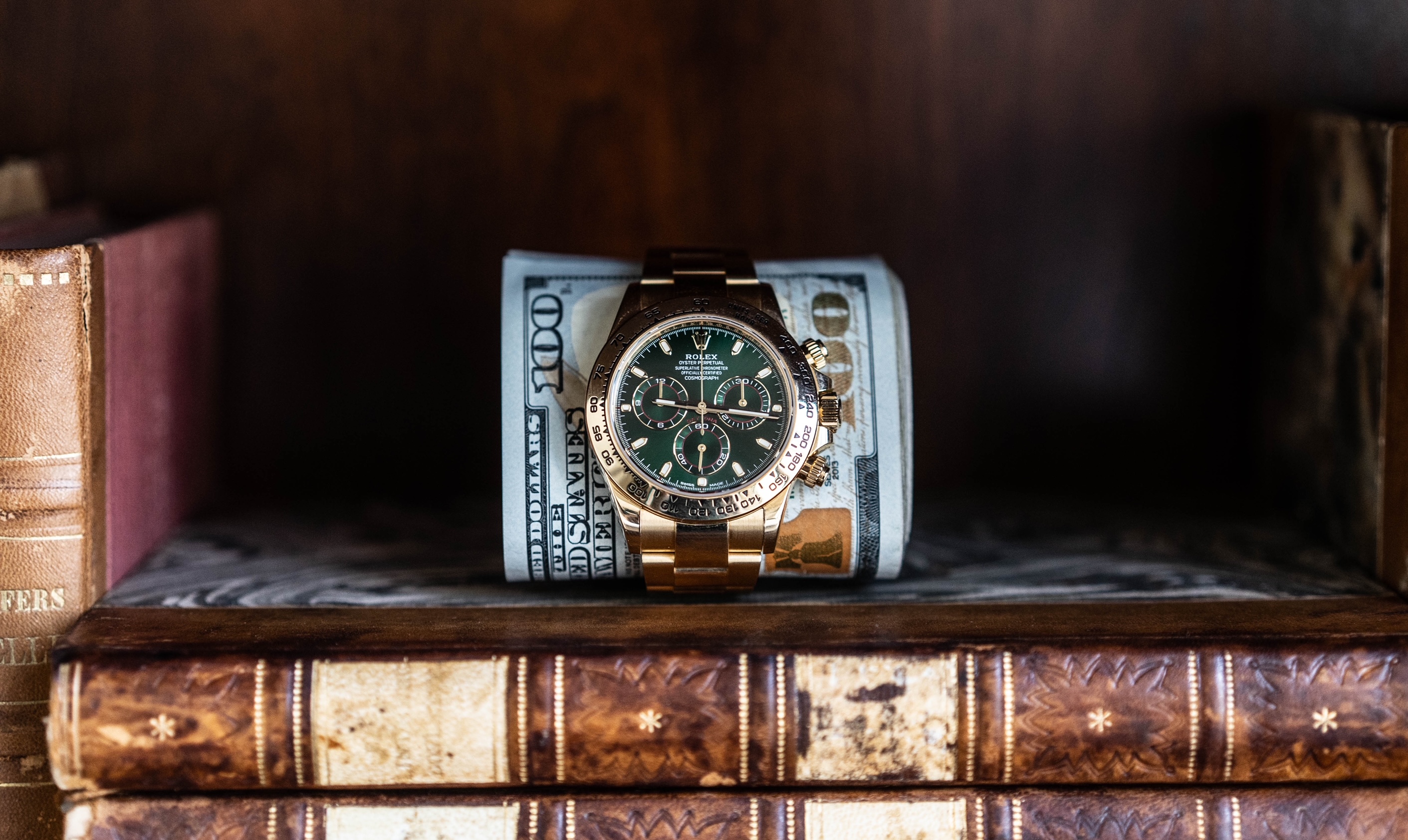
Navigating the Secondary Watch Market: Authentication, Liquidity, and Valuation Indices
An expert strategic guide for collectors navigating the pre-owned luxury watch market, covering counterfeit detection, liquidity indexing, box-and-papers premium valuation, and cyclical market trends.
Buying & Investment
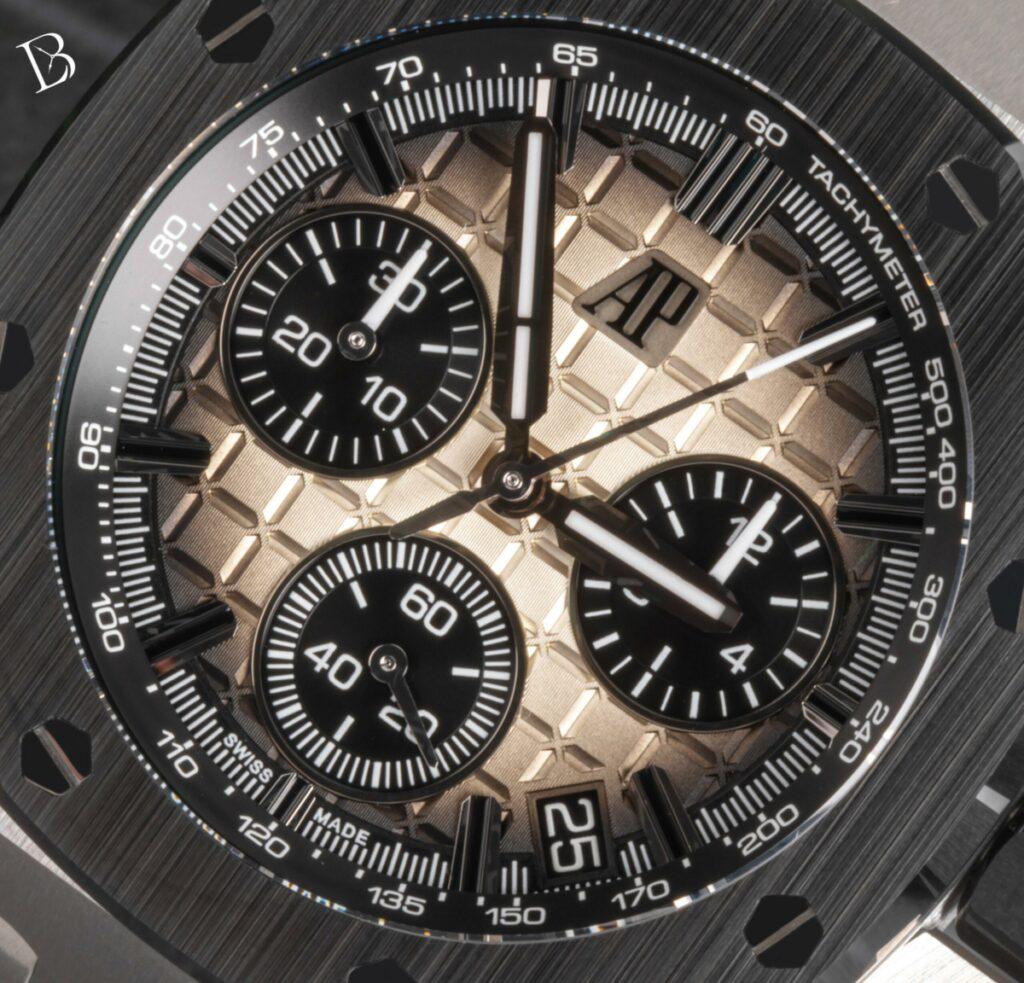
Strategic Investment Frameworks for Luxury Watches: Asset Classes, Inflation Hedges, and Risks
An analytical guide to viewing luxury watches as alternative financial assets, evaluating macroeconomic influences, brand tier depreciation curves, and market liquidity risks.
Buying & Investment
Navigating Grey Market Dealers: Warranties, Legal Imports, and Financial Trade-Offs
A comprehensive buyer's analysis of grey market luxury watch dealers, examining manufacturer warranty voids, deep price discounts, and authentication risks.