Tools & Instruments
Essential Horological Toolkit: Professional Instruments for Watch Inspection and Care
A comprehensive guide to professional watchmaking tools, covering antimagnetic tweezers, caseback wrenches, timegraphers, and precision loupes for safe amateur and professional maintenance.

Whether you are an aspiring watchmaker, a vintage collector inspecting prospective purchases, or an enthusiast seeking to size bracelets and adjust straps safely at home, possessing the correct horological tools is mandatory. Using improper or cheap hardware frequently results in stripped screw heads, scratched casebacks, and damaged movement components. This guide outlines the essential professional instruments required for safe watch handling and diagnostic inspection.
1. Optical Magnification: Loupes and Stereo Microscopes
Naked-eye inspection is insufficient for evaluating fine watch components or detecting dial flaws.
- Achromatic Loupes: Professional watchmaker loupes (typically 3x to 10x magnification) utilize multi-lens optical systems corrected for chromatic aberration, ensuring sharp, distortion-free focus.
- Inspection Standards: High-magnification inspection allows collectors to examine dial printing typography, hand-finishing brush strokes, and pivot jewel cleanliness with crystal clarity.
2. Acoustic Diagnostics: The Professional Timegrapher
Perhaps the most vital modern diagnostic instrument for any serious enthusiast is the electronic timegrapher.
- Acoustic Pick-Up: By resting a watch against a sensitive microphone cradle, the device records the rapid acoustic ticking sound of the escapement pallet striking the escape wheel teeth.
- Key Metrics Displayed: The digital screen instantly calculates and displays three core performance parameters in real-time: rate deviation (seconds gained or lost per day), amplitude (the rotational swing angle of the balance wheel in degrees), and beat error (the precise symmetry of the impulse ticks).
3. Safe Mechanical Hand Tools
- Antimagnetic Tweezers: Crafted from specialized beryllium-copper or hardened stainless steel, these fine-tipped tweezers prevent accidental magnetization when handling delicate hairsprings and tiny screws.
- Precision Caseback Openers: Utilizing rubber friction balls for screw-down Oyster backs or specialized three-point adjustable wrenches for notched casebacks prevents slipping and devastating cosmetic scratches. Equipping yourself with professional-grade tools ensures your collection remains pristine and mechanically optimized for decades.
Building a Kit Without Damaging Your Watches
The single most common cause of self-inflicted watch damage is the use of cheap or inappropriate tools. A stripped screw head, a scratched caseback or a gouged lug hole is almost always the result of a hardware-store improvisation rather than a proper instrument. Invest first in the tools you will use most — a quality spring-bar tool, properly fitting screwdrivers, and soft bench protection — before acquiring specialist equipment. Learn each tool's correct technique on a piece you can afford to practise on, and never apply force to a mechanism you do not fully understand. Restraint is itself a tool.
Reading Diagnostic Results Correctly
Owning a diagnostic instrument such as a timegrapher is only half the skill; interpreting its output correctly is the other. A single measurement in one position tells you very little, because a healthy mechanical movement performs differently dial-up, dial-down and in each crown orientation. Meaningful diagnosis requires measuring across multiple positions and reading rate, amplitude and beat error together as a system rather than fixating on a single number. Learning to read these results holistically lets you distinguish a movement that merely needs regulation from one that genuinely requires service — and saves you from unnecessary interventions.
Practical Field Checklist
Before acting on any single specification, seasoned collectors run a disciplined verification pass. First, corroborate the claim against at least two independent primary sources — a manufacturer technical sheet and a respected archival reference — rather than relying on a single retail description. Second, translate the abstract specification into a real-world consequence: ask precisely how a given rating, tolerance or material property changes the way the watch behaves on the wrist across a decade of daily wear. Third, weigh the cost of being wrong. A misjudgement on a purely cosmetic detail is recoverable; a misjudgement on structural integrity, water resistance or movement authenticity can be expensive and, in the case of vintage pieces, irreversible. Building this three-step habit converts passive reading into active expertise, and it is a discipline that pays compounding dividends across an entire collecting lifetime.
Common Misconceptions Worth Correcting
Enthusiast forums perpetuate a surprising number of half-truths, and part of becoming a discerning owner is learning to question inherited wisdom. Marketing language routinely inflates the significance of features that have negligible impact on daily performance, while quietly omitting the genuine engineering trade-offs behind them. A higher number is not automatically better; a heritage name does not guarantee superior execution; and a premium price frequently reflects scarcity, brand positioning or hand-finishing hours rather than measurable functional advantage. The most valuable skill a collector can develop is the ability to separate the objectively measurable from the subjectively marketed — to appreciate craftsmanship for what it genuinely is, without mistaking narrative for physics. When a claim seems too clean or too flattering, it usually conceals a nuance that the disciplined collector takes the time to uncover.
Why This Knowledge Compounds Over Time
Isolated facts are fragile, but a connected mental model is durable. Each principle explored here interlocks with the others: material science informs servicing intervals, movement architecture shapes total cost of ownership, and historical context explains why certain designs command enduring premiums. The collectors who develop true expertise are not those who memorise the most specifications, but those who understand how the pieces relate — how a decision made at the metallurgy stage echoes through decades of maintenance, resale and daily enjoyment. Treat every article, every watch examined and every conversation with a knowledgeable dealer as another node in an expanding web of understanding, and your judgement will sharpen far faster than rote memorisation could ever achieve.
Putting Theory Into Practice
Knowledge only becomes expertise when it is exercised. The next time you handle a watch — whether at an authorized dealer, a collector meet-up or a private viewing — deliberately apply the concepts covered above rather than absorbing the sales narrative passively. Ask the specific technical questions, request to see the movement, examine the finishing under good light, and notice which claims the seller can substantiate and which dissolve under scrutiny. This active, hands-on practice transforms abstract reading into instinctive competence, and it is precisely the process by which casual admirers gradually become the trusted, discerning collectors whose opinions genuinely carry weight within the horological community.
Continue exploring the archive

Tools & Instruments
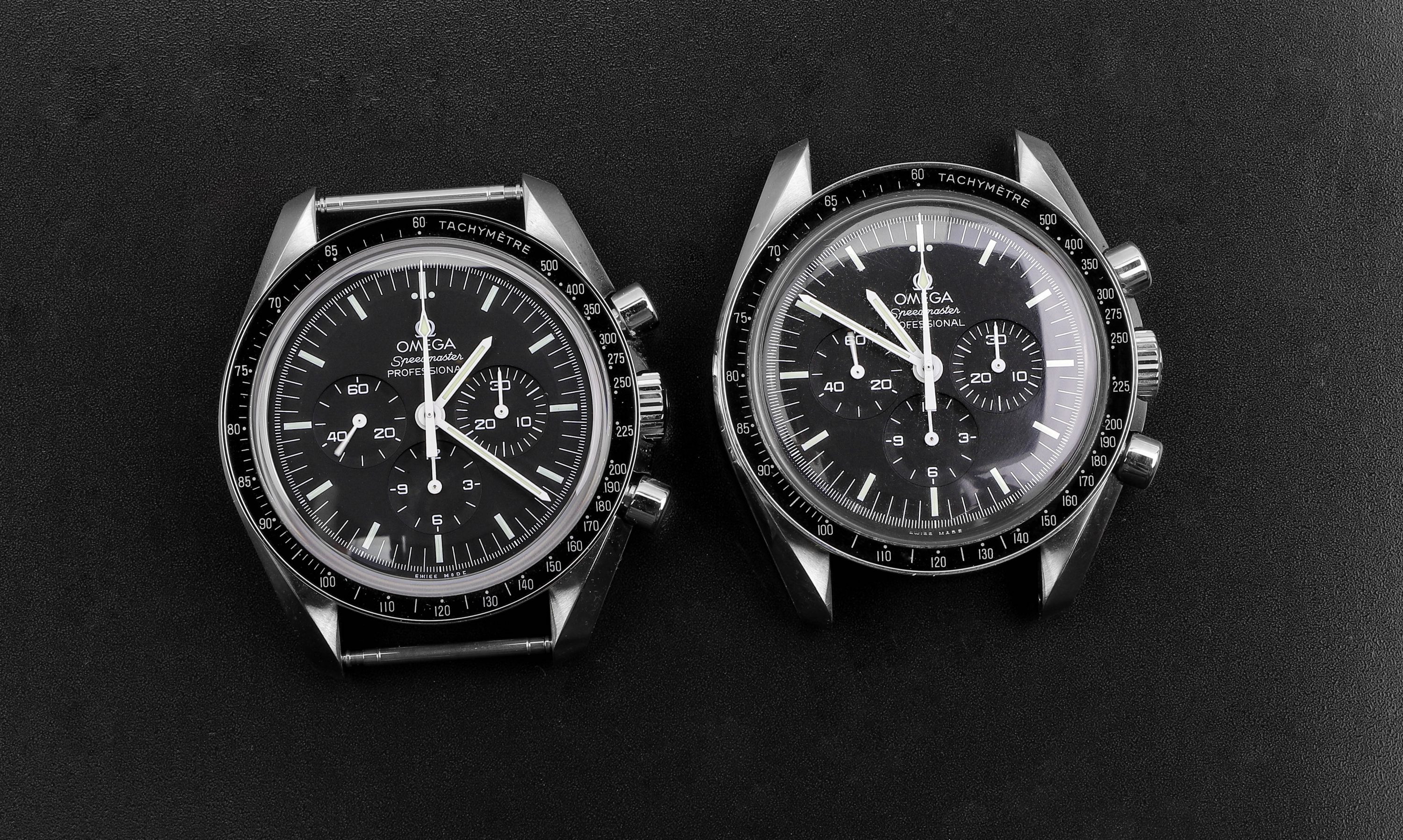
The Rise of Specialized Watch Tooling: Navigating the Secondary Market with Microscopes and XRF
An expert analysis of advanced authentication tools used by professional dealers, exploring stereo microscopes, X-ray fluorescence spectrometry, and electronic rate testers.
Materials & Science
Demystifying Modern Watch Crystal Materials: Sapphire vs. Box-Form Hesalite and Advanced Ceramic Composites
An exhaustive analysis of contemporary horological crystal engineering, examining the scratch resistance, optical refraction, impact dynamics, and thermal stability of synthetic sapphire, double-domed hesalite, and newly developed transparent ceramic matrices.
Movements & Calibers
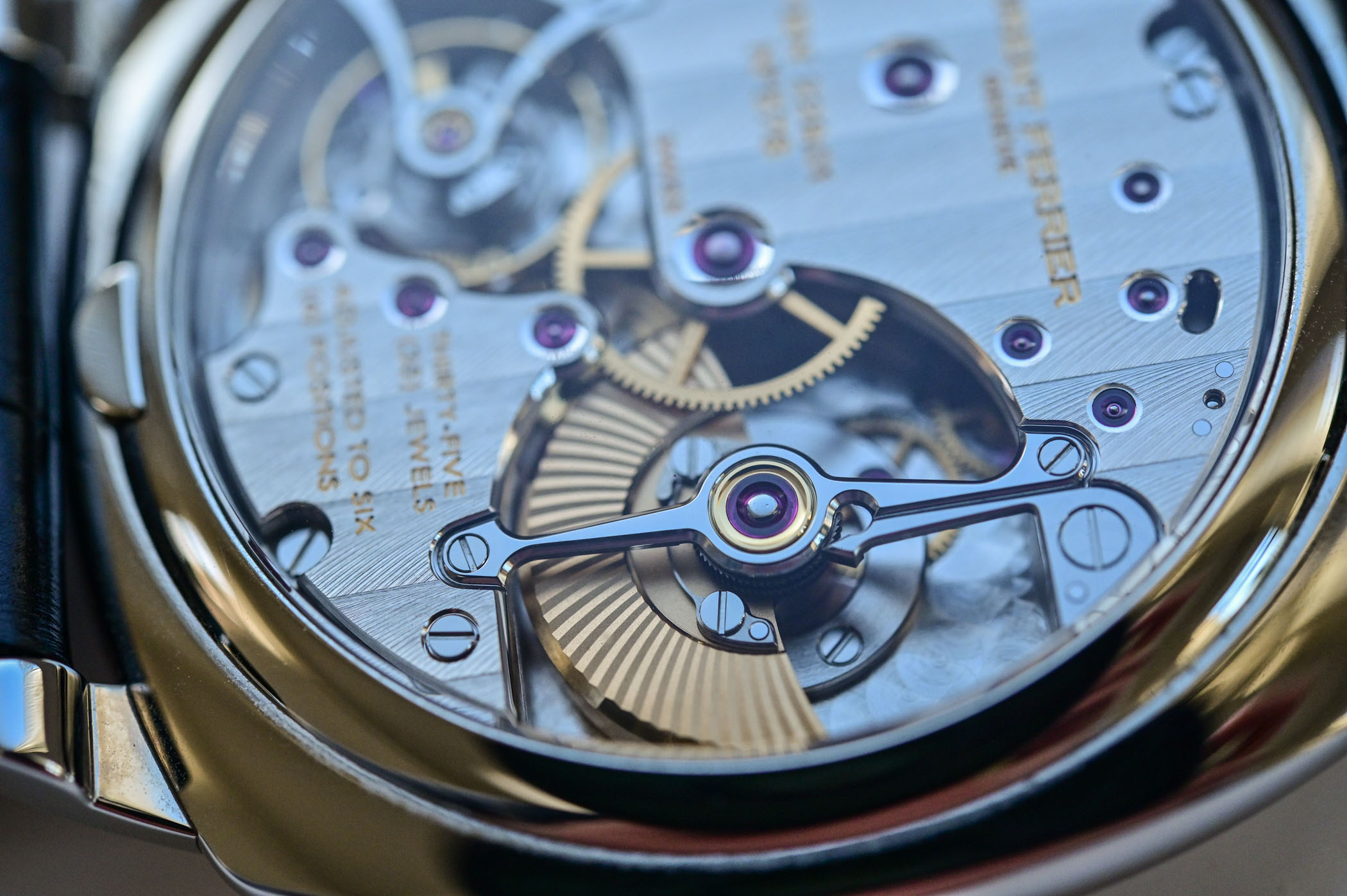
The Evolution of Micro-Rotor and Peripheral Automatic Movements in Ultra-Thin Horology
A technical examination of automatic winding mechanisms, comparing traditional central rotors with high-efficiency micro-rotors and peripheral oscillating weights in ultra-thin mechanical watches.