Comparisons
Horological Comparison Analysis: In-House Calibers vs. Universal Ebauches
An objective comparative study of in-house watch movements versus universally supplied ebauches, evaluating maintenance costs, reliability, precision engineering, and servicing accessibility.
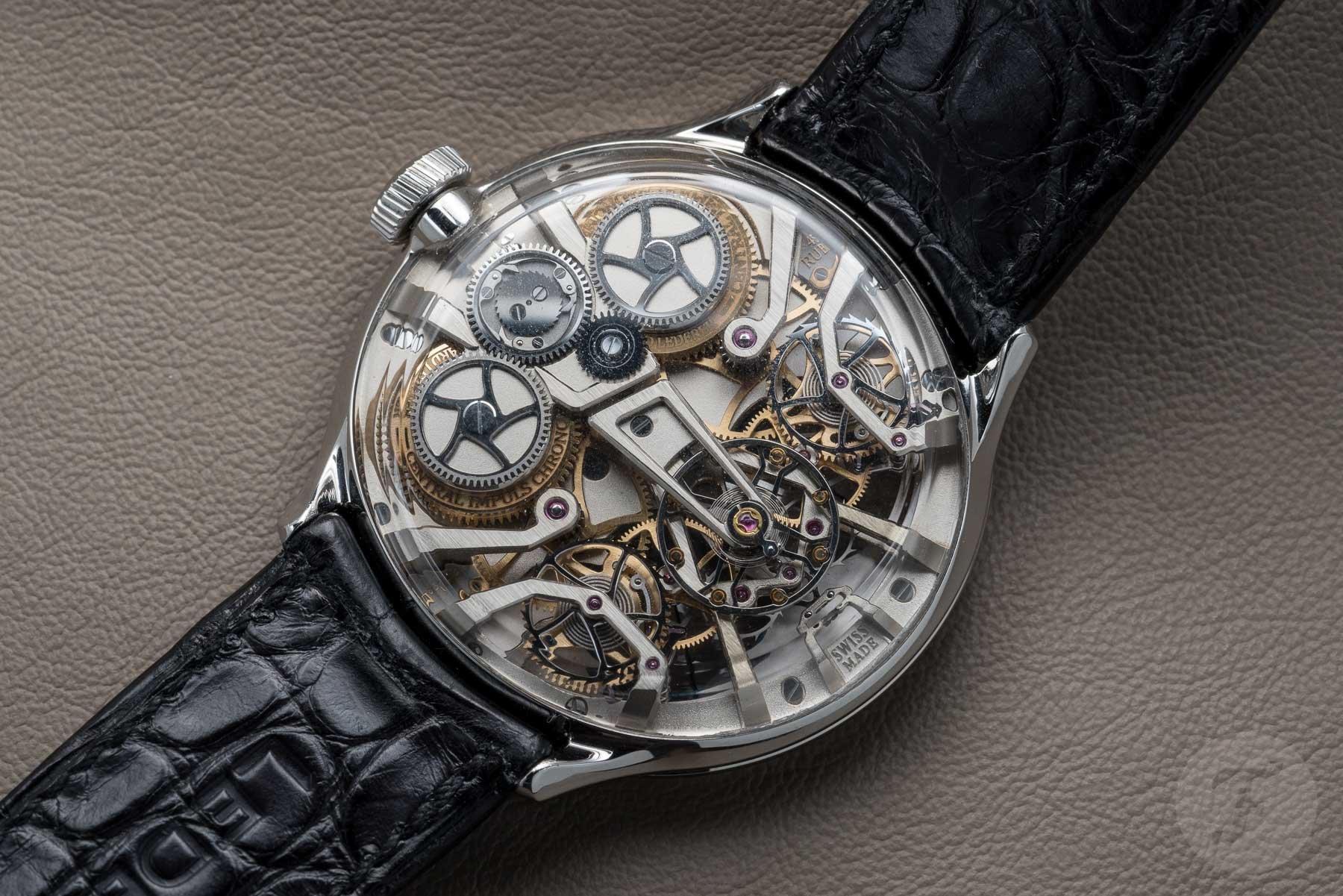
In the modern watch collecting community, few topics spark as much heated debate as the distinction between 'in-house' calibers and universal ebauche movements (such as robust tractor movements supplied by major specialized movement fabricators). Marketing departments heavily promote in-house manufacturing as the ultimate badge of prestige, but an objective technical comparison reveals distinct practical advantages and drawbacks to both approaches.
1. Defining In-House Calibers and Universal Ebauches
- In-House Movements: Designed, engineered, and manufactured (either fully or substantially) by the watch brand itself within its own production facilities.
- Universal Ebauches: Specialized mechanical movement blanks purchased from established third-party movement manufacturers, which are then decorated, adjusted, and cased by individual watch brands.
2. Maintenance Costs and Servicing Accessibility
- The Universal Advantage: Because universal calibers have been produced in the millions for decades, watchmakers worldwide possess deep familiarity with their architecture. Spare parts are readily available, and routine servicing can be performed efficiently by independent watchmakers at reasonable costs.
- The In-House Reality: In-house movements often feature proprietary gear tooth profiles, custom escapements, and non-standard power reserves. Consequently, when an in-house watch requires a service, owners are frequently forced to ship the piece back to the brand's official authorized service center, facing extended turnaround times and elevated manufacturer repair fees.
3. Engineering Performance and Brand Identity
- Tailored Integration: In-house movements allow watch designers to optimize space, integrate unique complication modules seamlessly, and maximize power reserve within a custom case shape.
- Proven Reliability: Universal ebauches offer battle-tested reliability, exceptional shock tolerance, and effortless daily calibration. Choosing between them depends on whether a collector values vertical integration and exclusivity or long-term ease of maintenance and robust operational reliability.
Choosing the Right Metric for Your Priorities
No comparison is universally decisive; the right answer depends entirely on what you personally optimise for. A buyer who prizes long-term serviceability will weigh spare-part availability and independent-watchmaker familiarity above almost everything else, while a buyer chasing prestige and technical novelty will happily accept higher service costs and longer turnaround. The discipline is to make your priorities explicit before the comparison begins, so that you weigh each attribute according to your own use case rather than defaulting to whichever option scores best on a specification sheet designed by a marketing department.
Total Cost of Ownership Over a Decade
Headline purchase price is only the opening chapter of the real financial story. A rigorous comparison projects the full cost of ownership across ten years, incorporating service intervals, the likely price of overhauls, parts availability, insurance and expected depreciation or appreciation. Two watches with identical retail prices can diverge dramatically once these factors are modelled — one requiring expensive proprietary servicing every five years, the other maintainable affordably by any competent watchmaker. Framing every comparison in these long-horizon terms produces far wiser decisions than snapshot judgements ever can.
Practical Field Checklist
Before acting on any single specification, seasoned collectors run a disciplined verification pass. First, corroborate the claim against at least two independent primary sources — a manufacturer technical sheet and a respected archival reference — rather than relying on a single retail description. Second, translate the abstract specification into a real-world consequence: ask precisely how a given rating, tolerance or material property changes the way the watch behaves on the wrist across a decade of daily wear. Third, weigh the cost of being wrong. A misjudgement on a purely cosmetic detail is recoverable; a misjudgement on structural integrity, water resistance or movement authenticity can be expensive and, in the case of vintage pieces, irreversible. Building this three-step habit converts passive reading into active expertise, and it is a discipline that pays compounding dividends across an entire collecting lifetime.
Common Misconceptions Worth Correcting
Enthusiast forums perpetuate a surprising number of half-truths, and part of becoming a discerning owner is learning to question inherited wisdom. Marketing language routinely inflates the significance of features that have negligible impact on daily performance, while quietly omitting the genuine engineering trade-offs behind them. A higher number is not automatically better; a heritage name does not guarantee superior execution; and a premium price frequently reflects scarcity, brand positioning or hand-finishing hours rather than measurable functional advantage. The most valuable skill a collector can develop is the ability to separate the objectively measurable from the subjectively marketed — to appreciate craftsmanship for what it genuinely is, without mistaking narrative for physics. When a claim seems too clean or too flattering, it usually conceals a nuance that the disciplined collector takes the time to uncover.
Why This Knowledge Compounds Over Time
Isolated facts are fragile, but a connected mental model is durable. Each principle explored here interlocks with the others: material science informs servicing intervals, movement architecture shapes total cost of ownership, and historical context explains why certain designs command enduring premiums. The collectors who develop true expertise are not those who memorise the most specifications, but those who understand how the pieces relate — how a decision made at the metallurgy stage echoes through decades of maintenance, resale and daily enjoyment. Treat every article, every watch examined and every conversation with a knowledgeable dealer as another node in an expanding web of understanding, and your judgement will sharpen far faster than rote memorisation could ever achieve.
Putting Theory Into Practice
Knowledge only becomes expertise when it is exercised. The next time you handle a watch — whether at an authorized dealer, a collector meet-up or a private viewing — deliberately apply the concepts covered above rather than absorbing the sales narrative passively. Ask the specific technical questions, request to see the movement, examine the finishing under good light, and notice which claims the seller can substantiate and which dissolve under scrutiny. This active, hands-on practice transforms abstract reading into instinctive competence, and it is precisely the process by which casual admirers gradually become the trusted, discerning collectors whose opinions genuinely carry weight within the horological community.
Continue exploring the archive
Materials & Science
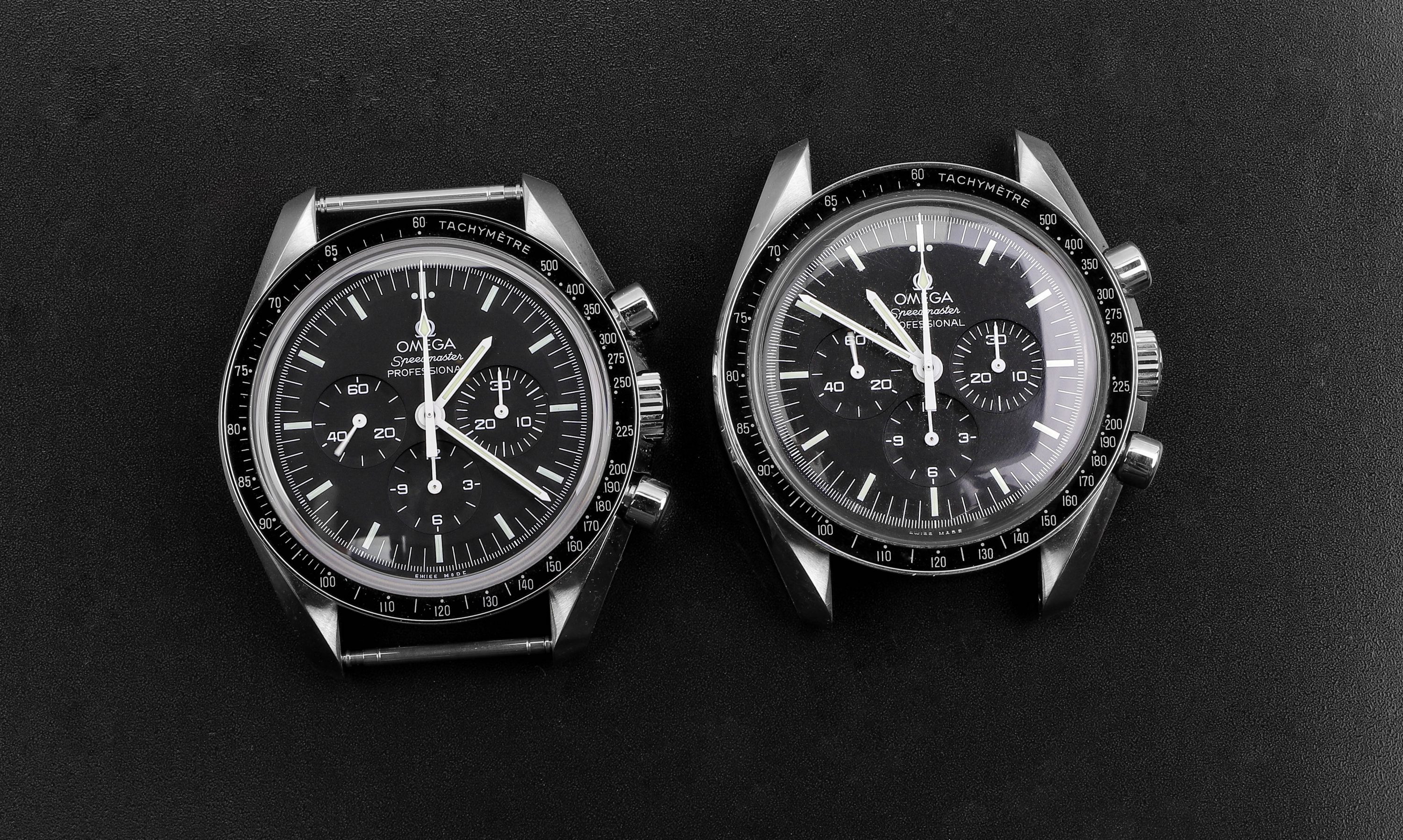
Demystifying Modern Watch Crystal Materials: Sapphire vs. Box-Form Hesalite and Advanced Ceramic Composites
An exhaustive analysis of contemporary horological crystal engineering, examining the scratch resistance, optical refraction, impact dynamics, and thermal stability of synthetic sapphire, double-domed hesalite, and newly developed transparent ceramic matrices.
Movements & Calibers
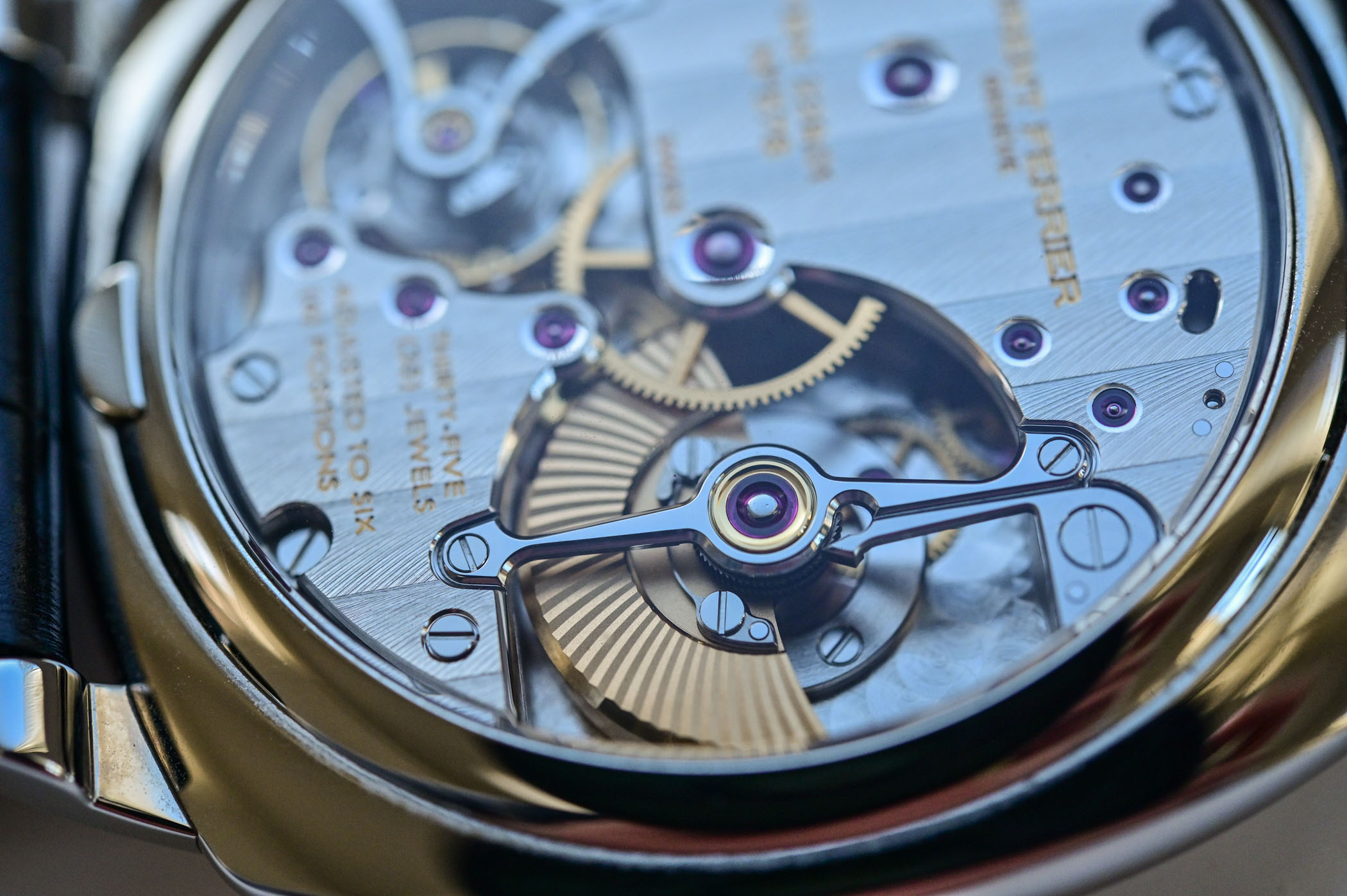
The Evolution of Micro-Rotor and Peripheral Automatic Movements in Ultra-Thin Horology
A technical examination of automatic winding mechanisms, comparing traditional central rotors with high-efficiency micro-rotors and peripheral oscillating weights in ultra-thin mechanical watches.

Buying & Investment
Navigating the Secondary Watch Market: Authentication, Liquidity, and Valuation Indices
An expert strategic guide for collectors navigating the pre-owned luxury watch market, covering counterfeit detection, liquidity indexing, box-and-papers premium valuation, and cyclical market trends.